By Shweta Tyagi*
Executive Summary
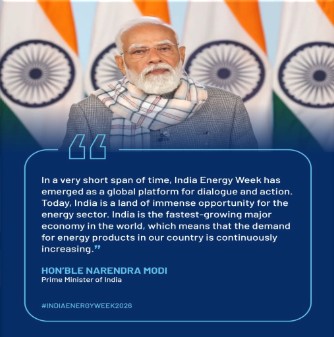
India Energy Week 2026 (IEW 2026), held from 27–30 January 2026 at the ONGC Advanced Training Institute, Goa, served as a strategic platform reinforcing India’s leadership in shaping the global energy transition. The event convened policymakers, global energy leaders, financial institutions, technology innovators, and multilateral organizations to advance dialogue on energy security, sustainability, and inclusive growth.
At a time of accelerating climate challenges and geopolitical uncertainty, IEW 2026 highlighted India’s commitment to balancing energy access, affordability, sustainability, and security. The discussions reflected a pragmatic transition approach—one that aligns decarbonization goals with economic development, industrial competitiveness, and social equity. Emphasis was placed on integrated energy planning, recognizing the interlinkages between power systems, hydrocarbons, renewables, hydrogen, mobility, digital infrastructure, and resource governance.
A central theme of the forum was energy resilience and national security, with focus on diversification of supply chains, domestic manufacturing, indigenous innovation, and strategic infrastructure development. Clean energy technologies—including renewables, green hydrogen, energy storage, sustainable fuels, and digital solutions—were positioned not only as climate imperatives but as engines of long-term economic transformation and employment generation.
For the India Water Foundation (IWF), IEW 2026 carried particular relevance through the growing recognition of the energy–water–climate nexus. The interdependence of energy systems with water security, ecological sustainability, and climate resilience emerged as a critical governance priority. The forum reinforced the importance of integrated policy frameworks that align energy planning with environmental stewardship and resource sustainability.
Overall, India Energy Week 2026 strengthened India’s position as a global convener of energy dialogue and a driver of sustainable development. Its outcomes provide a strong foundation for advancing coordinated strategies that integrate energy security, climate action, water sustainability, and resilient governance—core priorities for IWF’s long-term strategic engagement.
Introduction
India stands at a pivotal moment in its development trajectory, where the imperatives of economic growth, energy security, climate responsibility, and resource sustainability must be advanced in a balanced and integrated manner. As one of the world’s fastest-growing major economies and a central actor in the global energy landscape, India’s policy choices and institutional frameworks will significantly influence regional and global transition pathways. In this context, India Energy Week 2026 (IEW 2026) represents a strategically important platform for shaping dialogue, partnerships, and policy direction at both national and international levels.
Held from 27–30 January 2026 at the ONGC Advanced Training Institute, Goa, IEW 2026 brought together a diverse and influential assembly of policymakers, global energy leaders, industry stakeholders, technology innovators, financial institutions, and multilateral organizations. The forum provided a high-level space for structured engagement on the future of energy systems, focusing on resilience, sustainability, security, and inclusivity. More than a sectoral conference, IEW 2026 functioned as a convergence platform where strategic governance, economic development, and sustainability objectives intersected.
The discussions and outcomes of IEW 2026 reflected the evolving complexity of the global energy transition. No longer defined solely by decarbonization targets, the transition agenda now encompasses supply chain security, infrastructure resilience, technological sovereignty, financial architecture, and social equity. India’s approach, as articulated during the forum, emphasized a pragmatic and development-oriented pathway—one that recognizes national realities while contributing constructively to global climate and sustainability commitments.
For the India Water Foundation (IWF), IEW 2026 holds particular strategic relevance. The growing interdependence between energy systems, water security, ecological sustainability, and climate resilience underscores the necessity of integrated governance frameworks. Energy infrastructure development directly influences water systems, land use, biodiversity, and community livelihoods, making coordinated planning essential for long-term sustainability.
This report seeks to document, analyze, and contextualize the key themes, strategic directions, and policy narratives that emerged from India Energy Week 2026. It situates the event within a broader development and governance framework, highlighting its implications for national resilience, regional stability, and global sustainability. Through an integrated lens, the report aims to contribute to informed policy discourse and strategic thinking at the intersection of energy security, water sustainability, climate action, and institutional governance—core domains central to IWF’s mission and long-term engagement.
Day One Proceedings:
Strategic Foundations for a Resilient Energy Future
Day One of India Energy Week 2026 (IEW 2026) set the strategic direction for the four-day forum, establishing India’s ambition to become a central global energy hub and platform for actionable partnerships across energy security, transition pathways and investment ecosystems. The event was inaugurated in Goa on 27 January 2026, with participation from heads of state and senior ministers, including Prime Minister Narendra Modi, who highlighted India’s vast energy investment potential and evolving role in global energy leadership. He articulated a vision where India moves “from energy security toward full energy independence,” citing up to $500 billion in opportunities across the energy sector as a catalyst for global participation.
The inaugural session brought together senior policymakers, global CEOs, investors, and diplomats from nearly 125 countries, emphasizing investment mobilization, diversified supply strategies, and inclusive growth frameworks as core pillars of the emerging global energy agenda. Panel discussions underscored that energy systems are navigating structural uncertainty—driven by geopolitical dynamics, rising demand in emerging markets, and transition complexities—requiring pragmatic, multi-vector pathways tailored to national contexts rather than one-size-fits-all models.
High-Level Agenda and Strategic Themes
Day One featured key strategic panels on energy security, resilience and global collaboration. Leaders analyzed the implications of rising global demand, shifting trade dynamics, and the need to balance energy access, affordability, and sustainability. Discussions highlighted that energy strategies must integrate long-term supply certainty, market diversification and climate goals, reflecting India’s broader development objectives.
Transition Fuels & Infrastructure:
The role of natural gas and LNG as pragmatic bridge fuels for near-term emissions reductions and energy system flexibility was a central discussion point. Speakers noted rapid expansion in pipeline networks, LNG terminal capacity, and city gas distribution systems as critical enablers of resilient energy infrastructure.
Innovation & Future Technologies:
The launch of the Hydrogen Zone on Day One showcased cutting-edge hydrogen production, storage and utilization technologies targeting hard-to-abate sectors such as refining, steel, fertilizer and mobility. This represented a thematic expansion of IEW agendas, underlining the shift from policy prescripts to technology demonstration and industry engagement.
Agreements, MoUs & Partnerships Announced
Day One also kick-started a series of agreements and strategic partnerships that later matured into transactional frameworks across the week:

- ONGC and GAIL signed an MoU to collaborate on future upstream exploration bid rounds, strengthening domestic upstream capabilities and technical cooperation.
- Oil India Limited (OIL) and ONGC signed an MoU to collaborate on exploration opportunities under open acreage licensing and future bids across Indian basins.
- Reports also indicated BPCL signing 23 MoUs spanning core business, global trade and next-generation mobility initiatives, reflecting strong industry confidence in India’s energy prospects.
- Additionally, broader MoUs involving Numaligarh Refinery Limited (NRL) targeted green energy, LNG, R&D and downstream marketing collaborations, signaling an integrated move toward sustainable energy portfolios.
IEW 2026 expanded its global footprint and thematic depth compared with previous editions, with a larger global delegation, enhanced exhibition zones and dedicated innovation showcases on hydrogen, biofuels, sustainable mobility and digital energy systems. The first-day launch effectively positioned the event as a global platform for investment dialogue, commercial collaboration, and technology deployment.

“India has emerged as a land of immense opportunities for the energy sector, moving beyond energy security toward full energy independence.” — Prime Minister Narendra Modi
This statement encapsulated Day One’s strategic thrust: a call to global stakeholders to engage in long-term partnerships that support India’s integrated energy transition—balancing security, sustainability, and inclusive growth.
Keynote Address
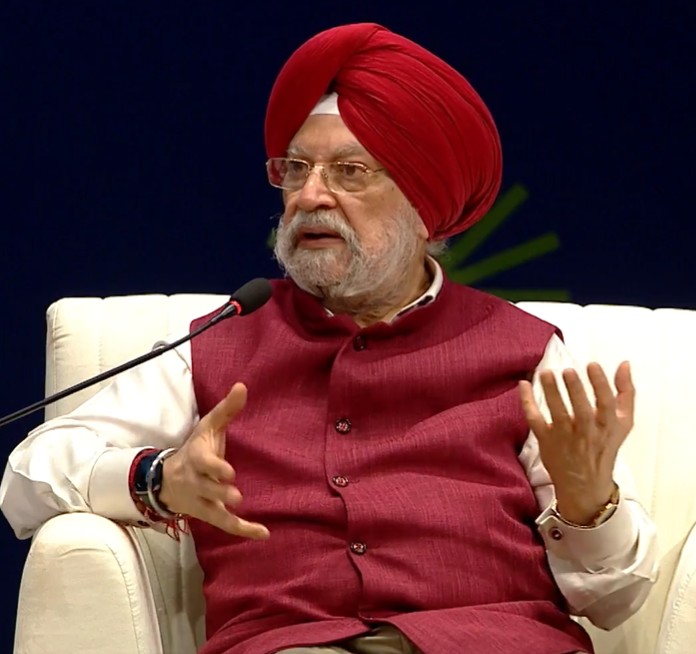
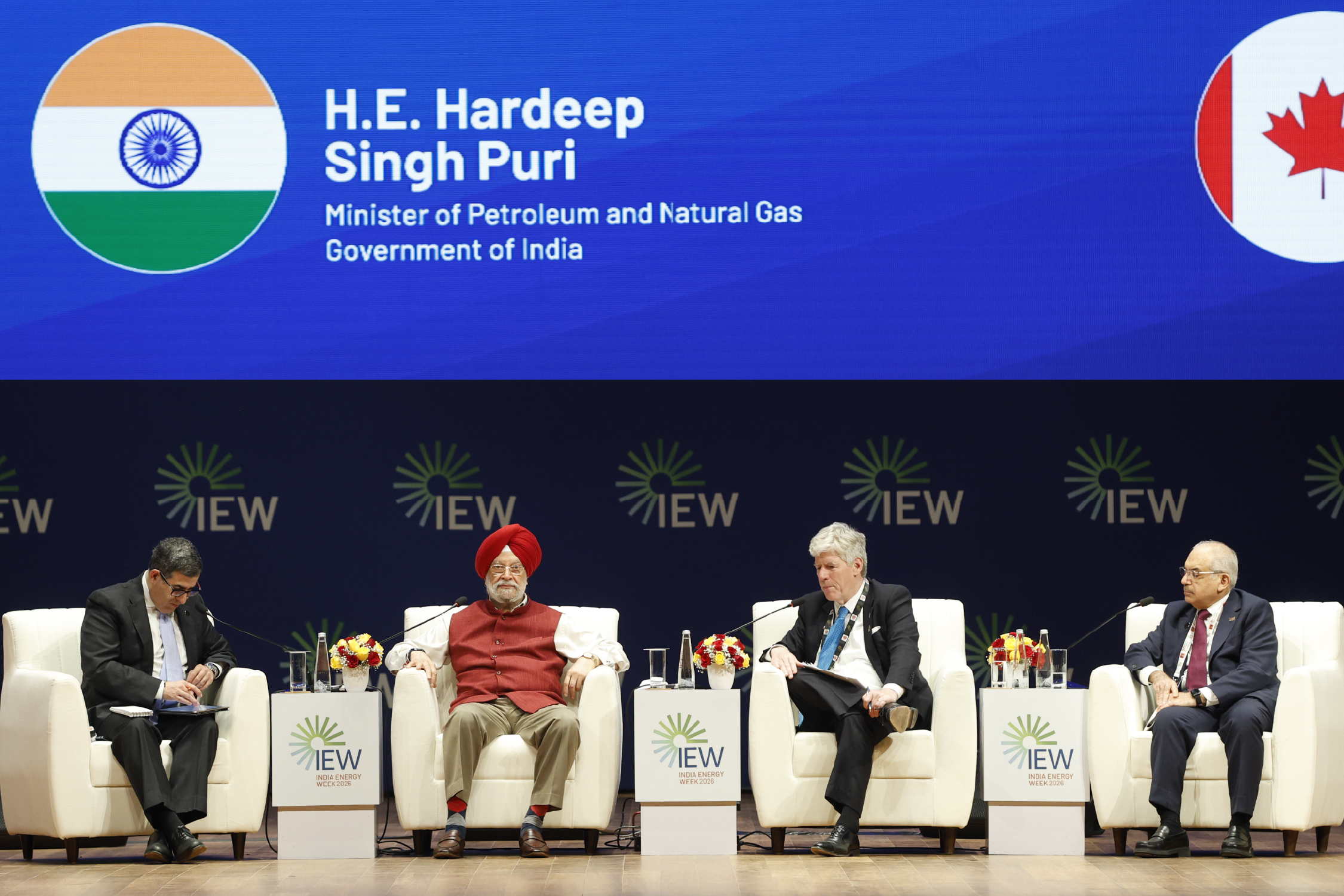
H.E. Hardeep Singh Puri outlined India’s strategic vision for a secure, resilient, and inclusive energy future. He emphasized the need for a balanced transition that safeguards energy access and affordability while advancing sustainability and climate commitments. Highlighting India’s integrated approach to energy planning, he underscored the importance of strengthening domestic capacity, technological self-reliance, and infrastructure resilience. The Minister reaffirmed India’s commitment to global cooperation, clean energy innovation, and pragmatic transition pathways that align national development priorities with long-term climate and sustainability goals.
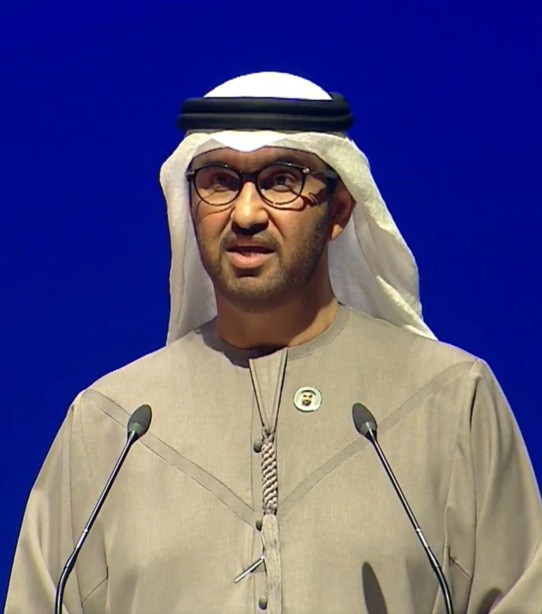
H.E. Dr. Sultan Ahmed Al Jaber highlighted the importance of a pragmatic, inclusive, and investment-driven approach to the global energy transition. He emphasized that energy security, economic growth, and climate action must progress together, not in isolation. Stressing the role of technology, innovation, and industrial transformation, he underscored the need for scalable clean energy solutions, responsible hydrocarbon management, and low-carbon technologies. He called for stronger international cooperation, cross-border partnerships, and mobilization of capital to accelerate sustainable infrastructure development, positioning collaboration as the foundation for a resilient and balanced global energy future.
Day Two Proceedings:
Day Two of India Energy Week 2026 (IEW 2026) in Goa marked a pivotal juncture in advancing India’s energy agenda, with high-level strategic discussions, landmark commercial agreements, and deepening international partnerships. Building on the opening day’s themes of security, sustainability, and transition balance, Day Two brought actionable outcomes into sharp focus across energy security, LNG expansion, finance mobilisation, innovation, and global cooperation.

A core emphasis was on natural gas and LNG as a critical transition fuel supporting both decarbonisation and supply reliability. Panels brought together policymakers, industry CEOs, and international delegates to underscore the role of gas in bridging energy security with climate goals, while maintaining affordability and access. The discourse reaffirmed that pragmatic transition strategies must integrate conventional and clean energy pathways, guided by investment confidence and infrastructure resilience.
Strategic Partnerships & Commercial Agreements
Day Two was distinguished by a series of notable commercial agreements and strategic collaborations that reflected India’s growing stature as a global energy partner:
- ONGC & Reliance Industries Ltd signed a resource-sharing pact to enhance offshore exploration and production cooperation, signalling deeper synergy between India’s largest energy players.
- Bharat Petroleum Corporation Ltd (BPCL) renewed a 12-million-barrel crude supply contract with Brazil’s Petrobras for FY 2026–27, valued at roughly $780 million, helping diversify India’s crude import basket and strengthen energy security.
- Indian Oil Corporation Limited (IOCL) entered MoUs with ONGC, Oil India and Petronet LNG to build 13 compressed biogas (CBG) plants, underscoring expansion of bio-energy infrastructure.
- GAIL and JM Baxi Marine Services signed a term sheet for equity participation in a shipping venture—an important step in bolstering logistics and maritime energy capability.
- ONGC & GAIL formalised a MoU to explore technical collaboration in future upstream bid rounds, reinforcing cooperation in exploration and upstream capability building.
- Engineers India Ltd (EIL) & Honeywell agreed on a strategic collaboration for sustainable refinery technologies, integrating advanced indigenous and global solutions to reduce emissions and enhance refining efficiency.
These agreements spanned supply diversification, infrastructure expansion, cleaner fuels, and technological innovation, and collectively reinforced India’s energy security and transition readiness.
Day Two also saw strengthened bilateral cooperation frameworks. Formal dialogues were launched with key partners, including the UAE and Canada, to collaborate on hydrocarbons, LNG, critical minerals, and emerging technologies such as small modular reactors. India’s natural gas imports from the UAE—approximately 4.5 million metric tonnes per annum—were highlighted as a significant volume strengthening supply reliability.
Parallel discussions with the United States delegation explored expanding reliable energy exports and technology partnerships, particularly in smart grids and advanced energy systems, reinforcing the strategic US-India energy partnership.
On the innovation front, Day Two featured panels that underscored technology-led transition pathways: green hydrogen, advanced solar and storage systems, carbon management, digitalisation, and smart infrastructure. A key feature this year was the Hydrogen Zone, showcasing modular hydrogen technologies that can decarbonise sectors such as steel, fertilisers, and mobility, positioning India competitively in global hydrogen value chains.
Another new highlight was the expanded exhibition footprint, with dedicated pavilions on biofuels, indigenisation (Make in India Pavilion), renewables, and digital solutions, attracting over 75,000 professionals and 700+ exhibitors from 120+ countries—a scale unmatched in previous editions.
A defining moment of Day Two came from Union Minister Hardeep Singh Puri, who encapsulated the day’s ethos:
“This platform has become one of the largest of its kind globally, and it allows exactly these kinds of conversations and partnerships to take shape.” — Hardeep Singh Puri, Minister of Petroleum and Natural Gas
This line reinforced India Energy Week’s evolution from a dialogue forum to a global action platform driving collaborative, investment-oriented outcomes.
Day Three Proceedings:
Technology, Innovation, Policy & Strategic Transition:

Day Three of India Energy Week 2026 (IEW 2026) in Goa sharply transitioned from foundational policy discussions to technology-led transformation, innovation systems, transition fuels, and global strategic cooperation. Reflected across plenary talks, thematic technical sessions, and ministerial roundtables, the day underscored that innovation, digitalization, and partnership ecosystems will be defining vectors for India’s energy transition trajectory. This emphasis represented one of the most distinctive elements of the 2026 edition, showcasing not only policy intent but concrete collaborative pathways and technology deployments.
A major area of focus on Day Three was green hydrogen and hydrogen-enabled economies. Dedicated sessions in the Hydrogen Zone highlighted demonstrations of next-generation electrolyze technologies, hydrogen storage systems, mobility applications, and industrial decarbonization use cases for sectors such as steel, fertilizers, and heavy transport. Experts emphasized hydrogen’s role as both a transition fuel and a long-term structural solution for hard-to-abate sectors, reinforcing its critical position in India’s broader energy strategy.
Digital transformation and smart system integration also featured prominently. Panels examined how AI-driven energy management systems, predictive grid analytics, and automation platforms can enhance grid stability, renewable integration, and operational resilience. Digitalization was framed not merely as technology adoption but as a structural enabler of efficiency, reliability, and scalability across energy systems, laying the foundation for future-ready infrastructure.
Day Three’s policy dialogues and ministerial roundtables continued to emphasize balanced transition pathways focused on energy security, transition fuels, and global cooperation. Policymakers, regulators, and international delegates exchanged insights on maintaining diversified energy portfolios, expanding renewable penetration, and strengthening supply chain resilience. Discussions reiterated that natural gas and LNG remain important bridge fuels even as renewable and low-carbon technologies scale.
Strategic Collaborations & Agreements
In addition to technology showcases, Day Three saw tangible industry MoUs and partnerships that signal evolving commercial dynamics:
- Bharat Petroleum Corporation Ltd (BPCL) signed a 10-year strategic MoU with Deepak Phenolics for assured propylene and benzene feedstock supplies, reinforcing domestic petrochemical value chain robustness and supply reliability. The agreement also supports Make in India and Atmanirbhar Bharat priorities.
- BPCL also entered an MoU with Tata Services Limited, setting a framework to explore synergies across strategic areas of mutual interest, indicating broader cross-industry collaboration beyond traditional energy boundaries.
These agreements reflect wider industry momentum to align long-term supply chains with national industrial growth and energy transition goals, signaling that partnerships are increasingly being structured around sustainability, domestic manufacturing, and resilience objectives.
One of the standout developments at IEW 2026 was the expanded presence of innovation ecosystems—especially technology zones spotlighting hydrogen, digital energy, and AI solutions—that elevated the conference beyond traditional energy dialogues into a technology-first forum. The dedicated Hydrogen Zone and thematic areas for digitalization, smart infrastructure, and carbon management technologies reflected a shift toward solution deployment and demonstration, emphasizing how emerging technologies are progressively moving from concept to implementation.
Moreover, the scale and diversity of participation this year—bringing together 75,000+ professionals, 700+ global exhibitors, and delegates from over 120 countries—made IEW 2026 one of the most internationally representative editions to date, reinforcing its evolution as a truly global energy convening forum.
A defining observation from Day Three came from a leadership spotlight session, reflecting India’s strategic balancing of capacity expansion with advanced grid and technology integration:
“India must prioritize grid integration and technology alongside capacity expansion to build resilient, future-ready energy systems.” — Santosh Kumar Sarangi, Secretary, Ministry of New & Renewable Energy, Government of India
This line captured the essence of Day Three’s agenda—positioning innovation, infrastructure, and international collaboration as the pillars of sustainable energy transformation.
Day Four Proceedings:
Valedictory Synthesis, Investment Outlook & Strategic Pathways:
Day Four of India Energy Week 2026 (IEW 2026) marked the culmination of four days of high-level dialogue, robust policy exchange, and business-critical outcomes that collectively chart a path for India’s evolving role in the global energy transition. The final day was designed as both a strategic synthesis and forward-looking platform, consolidating insights from technical innovation, investment mobilization, policy frameworks, and international cooperation to shape medium- and long-term energy strategies. The concluding sessions reflected a strong commitment to turning dialogue into actionable implementation pathways, reinforcing India’s commitment to secure, sustainable, and inclusive energy futures.
Strategic Policy Synthesis & Implementation Roadmaps
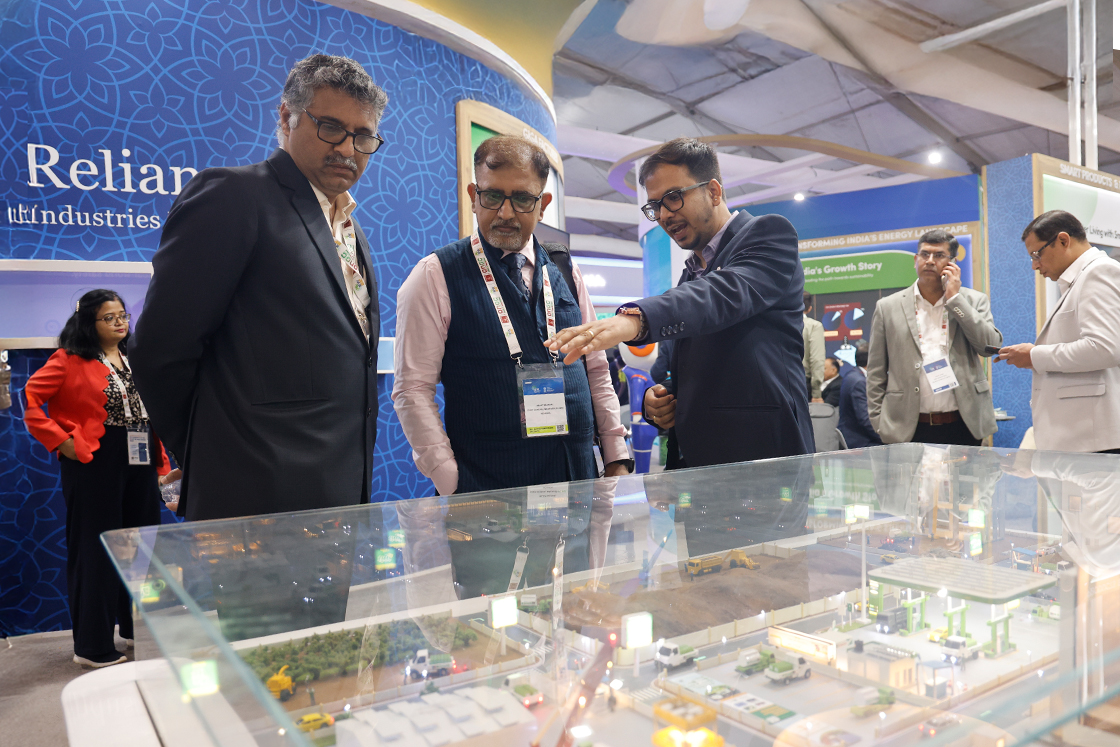
The day began with a series of strategic panels that synthesized key deliberations from the previous days. Senior policymakers, industry executives, and global delegates emphasized the need for coherent policy frameworks, robust regulatory systems, and adaptive governance to implement transition pathways discussed across IEW 2026. Discussions reaffirmed that the transition is neither linear nor uniform but must be tailored to national priorities, including energy security, affordability, access, and emissions mitigation. Key themes included grid reforms, carbon pricing mechanisms, and system integration strategies that bridge conventional energy systems with emerging low-carbon technologies. Participants highlighted that integrated energy and climate policy frameworks are essential to sustain investment confidence and operational readiness across sectors.
Global Partnerships & Strategic Alliances
Day Four further reinforced India’s deepening engagement with global partners. Leaders highlighted enhanced cooperation frameworks with countries such as the UAE and Canada, which were advanced earlier in the week and reflected in bilateral dialogues and commercial agreements. These engagements spanned natural gas, LNG infrastructure, critical minerals, clean technologies, and research collaboration, signifying a maturing and strategic energy partnership architecture. Delegates underscored that international collaboration—especially in technology transfer, financing mechanisms, and shared research—will be pivotal for delivering long-term transition outcomes.
Investment Mobilization & Commercial Agreements
The final day also focused on consolidating commercial commitments that support transition delivery:
- Indian Oil and ENGIE signed a strategic cooperation agreement to explore opportunities in LNG and gas markets across the Asia-Pacific, opening pathways for greater integration of energy trade and market participation.
- A tripartite LNG alliance between Oil India Limited (OIL), Numaligarh Refinery Limited (NRL), and Total Energies was formalized to share knowledge and develop long-term LNG sourcing and regasification options.
- HPCL and Thermax entered into a research collaboration focused on clean energy technologies, signaling cross-sector innovation partnerships.
These deals reflect a concerted industry effort to solidify supply chain resilience, expand clean fuel ecosystems, and decentralize energy systems.
Innovation Showcase & Sectoral Integration
A key highlight of IEW 2026 was its expanded thematic and innovation footprint. The event featured dedicated zones and pavilions covering hydrogen, biofuels, sustainable mobility, digital energy systems, and nuclear technologies, underscoring how emerging solutions are moving from concept to commercial readiness. Sponsors and exhibitors showcased advancements in green hydrogen cost reduction, AI-enabled grid management, carbon capture systems, and multi-fuel mobility technologies. The Sustainable Mobility Pavilion demonstrated multi-fuel and multi-powertrain vehicles, reinforcing that energy transition includes transport decarbonization as a critical vector.
Additionally, organizations like Rosatom presented advanced nuclear technologies, including small modular reactors (SMRs) and integrated solutions suitable for diverse geographies, inviting India into multilateral research cooperation.
New Features & Expanded Participation
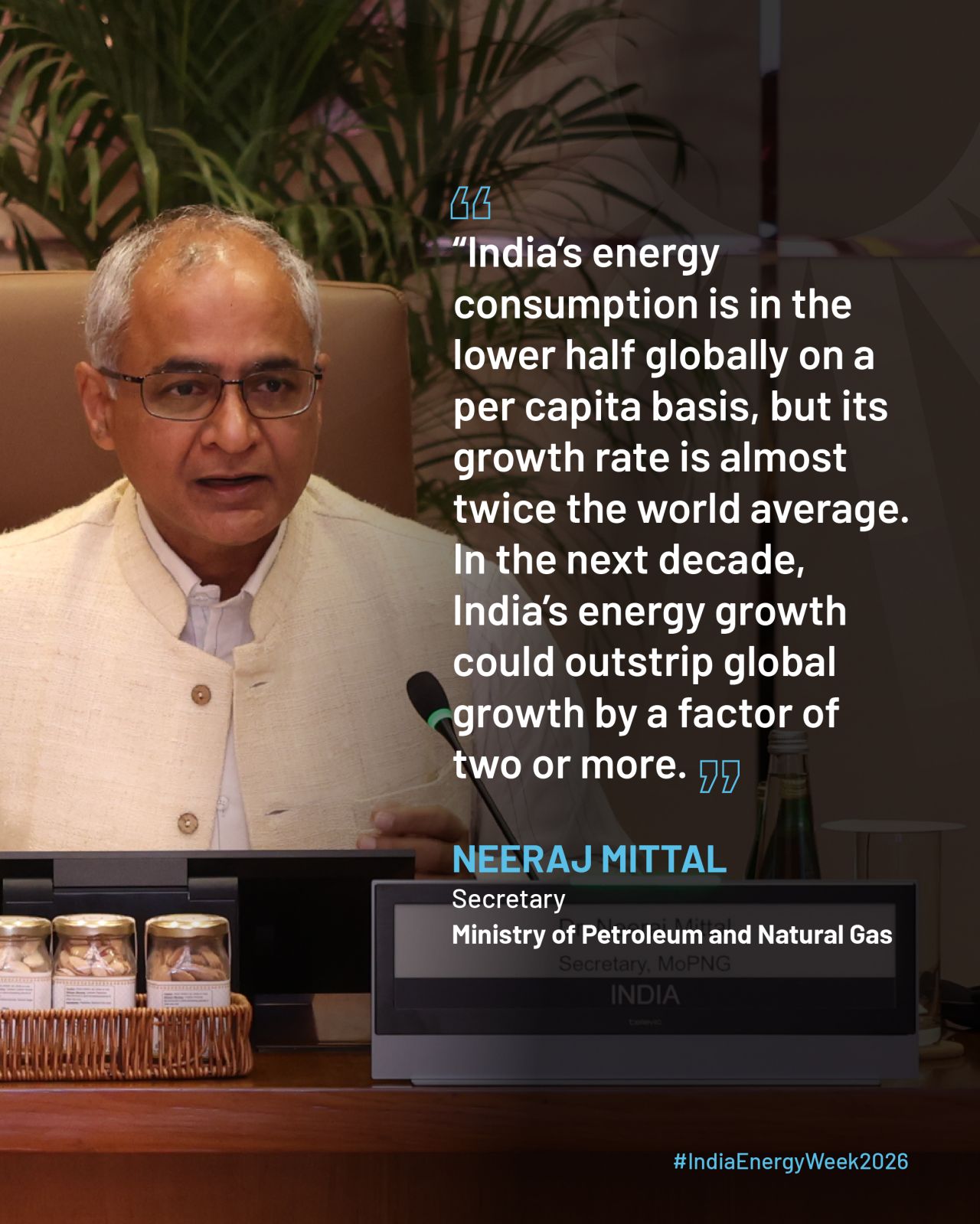
IEW 2026 set new benchmarks in scale and diversity: over 75,000 professionals, 700+ exhibitors, and delegates from 120+ countries engaged across 110+ sessions and 550+ expert speakers. This global footprint made the conference a leading platform for strategic dialogue, technology demonstration, investment signaling, and cross-border collaboration.
A resonant insight from the closing ceremony encapsulated the essence of Day Four:
“This edition of India Energy Week has showcased not just dialogue but delivery- where strategic vision meets implementation pathways, and global cooperation translates into real world outcomes”. — Union Minister Hardeep Singh Puri, Minister of Petroleum and Natural Gas
This line captured the evolution of IEW 2026 from a discussion platform to a global action forum, emphasizing execution, partnership, and transformation on a meaningful scale.
Leadership Roundtables:
Fostering High-Level Debate to Navigate The Energy Shift:

The Leadership Roundtable series at India Energy Week 2026 served as an exclusive, invitation-only forum bringing together ministers, global energy CEOs, policymakers, and industry pioneers for candid, solution-oriented dialogue under the Chatham House Rule. These high-level sessions focused on driving strategic outcomes across transformational business models, international collaboration, and practical pathways to accelerate the global energy transition.
Across multiple roundtables, senior leaders addressed critical topics central to global and national energy agendas. Key discussions included strategic energy security and import-to-leadership transitions; methane emissions reduction; biofuel scale-up and mainstreaming (including E20 and beyond); sustainable aviation fuel investment; and green hydrogen offtake frameworks. Sessions also explored India’s role as an innovation hub, strengthening partnerships such as the India–U.S. energy relationship, and aligning energy-driven development with Viksit Bharat 2047 goals.
The roundtables provided a rare platform for cross-sector exchange on policy reforms, investment priorities, climate-aligned growth strategies, and emergent technologies. By uniting decision-makers at the highest level, these dialogues aimed to generate actionable insights, reinforce global cooperation, and catalyze public-private collaboration in shaping a secure, inclusive, and sustainable energy future.
Key Thematic Outcomes of India Energy Week 2026
A. Energy Security and Strategic Resilience
- Strengthened focus on diversified supply chains, LNG expansion, and resilient infrastructure.
- Positioning India as a stabilizing force in regional and global energy markets.
- Reinforcement of strategic reserves and logistics systems for long-term security.
B. Energy Transition and Decarbonization Pathways
- Advancement of balanced transition models integrating conventional and clean energy systems.
- Scaling of renewables, green hydrogen, and low-carbon fuel ecosystems.
- Promotion of pragmatic, development-aligned decarbonization strategies.
C. Innovation, Technology and Digital Transformation
- Acceleration of hydrogen technologies, storage systems, and smart grid infrastructure.
- Expansion of digital energy platforms and AI-enabled system management.
- Strengthening of innovation ecosystems through cross-sector collaboration.
D. Investment, Finance and Market Development
- Mobilization of domestic and global capital for energy infrastructure and transition projects.
- Strengthening of PPP frameworks and blended finance mechanisms.
- Positioning India as a global destination for integrated energy investment.
E. Global Cooperation and Energy Diplomacy
- Deepening bilateral and multilateral energy partnerships.
- Expansion of technology alliances and cross-border collaboration platforms.
- Institutionalization of long-term global cooperation frameworks.
F. Governance, Institutions and Implementation Capacity
- Strengthening policy coherence, regulatory alignment, and institutional coordination.
- Enhancing execution capacity and implementation frameworks.
- Building governance systems for long-term transition continuity.
Conclusion
India Energy Week 2026 has firmly established itself as one of the world’s most consequential energy platforms—transcending the boundaries of a conventional conference to emerge as a global convergence forum for policy, partnership, investment, and innovation. Over four days of strategic dialogue, technical engagement, and institutional collaboration, the event demonstrated how energy transformation must be approached as a systems challenge—integrating security, sustainability, affordability, and development within a unified strategic framework.
The forum reaffirmed that India’s energy journey is not only a national imperative but a global opportunity, positioning the country as a catalyst for balanced transition models that reconcile growth with climate responsibility. Through landmark agreements, strategic alliances, and forward-looking policy dialogues, IEW 2026 translated vision into action, reinforcing the importance of execution-oriented governance, resilient infrastructure, and scalable innovation.
More importantly, India Energy Week 2026 showcased the power of collaborative leadership—where governments, industry, finance, and institutions co-create solutions rather than operate in silos. It demonstrated that sustainable energy transformation will be driven not by isolated ambition, but by shared purpose, coordinated action, and long-term institutional commitment. As a global platform, IEW 2026 has not only shaped discourse but strengthened the architecture for implementation, positioning India as a credible leader in building a secure, inclusive, and sustainable global energy future.
*Associate Editor – Focus Global Reporter