Dr. Arvind Kumar*
Executive Summary
The World Economic Forum Annual Meeting 2026, held in Davos, Switzerland, convened global leaders from governments, international organizations, business, academia, and civil society to address the most pressing challenges shaping the future of humanity. The 2026 meeting was defined by a strong emphasis on rebuilding global trust, strengthening multilateral cooperation, and accelerating collective action in the areas of climate resilience, sustainable development, digital transformation, and inclusive economic growth. Central to the discussions was the recognition that fragmented global responses are no longer sufficient to address systemic risks such as climate change, water scarcity, biodiversity loss, geopolitical instability, and economic inequality.
A key focus of the forum was sustainability-driven transformation, with climate action, water security, energy transition, and resilient infrastructure positioned as foundational pillars of future development. Global leaders emphasized the urgent need to move from commitments to implementation, highlighting scalable solutions, cross-border partnerships, and innovative financing mechanisms to achieve the Sustainable Development Goals (SDGs). Water security emerged as a critical global priority, closely linked to climate adaptation, food security, urban resilience, and public health, reinforcing the need for integrated water resource management and nature-based solutions.
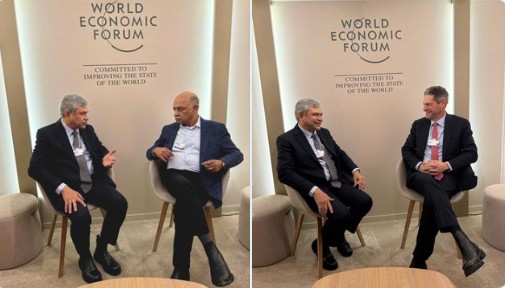
The forum also underscored the importance of technology and innovation in enabling sustainable transitions. Digital governance, artificial intelligence, data-driven policymaking, and green technologies were identified as enablers for smarter infrastructure, efficient resource management, and transparent governance systems. Equally significant was the focus on inclusive growth, ensuring that sustainability transitions benefit vulnerable populations and developing economies, particularly in the Global South.
For the India Water Foundation, the outcomes of Davos 2026 are especially relevant. The forum’s emphasis on climate resilience, water stewardship, sustainable infrastructure, and global cooperation aligns strongly with India’s development priorities and environmental challenges. The discussions reinforced the strategic role of water as both a development catalyst and a security issue, calling for stronger institutional frameworks, public–private partnerships, community participation, and regional collaboration.
Overall, the World Economic Forum 2026 marked a shift from dialogue to action-oriented governance, promoting integrated, systems-based solutions to global challenges. It set a clear direction for collaborative leadership, where sustainability, resilience, and equity are not parallel agendas but interconnected imperatives shaping the future of global development.
Introduction
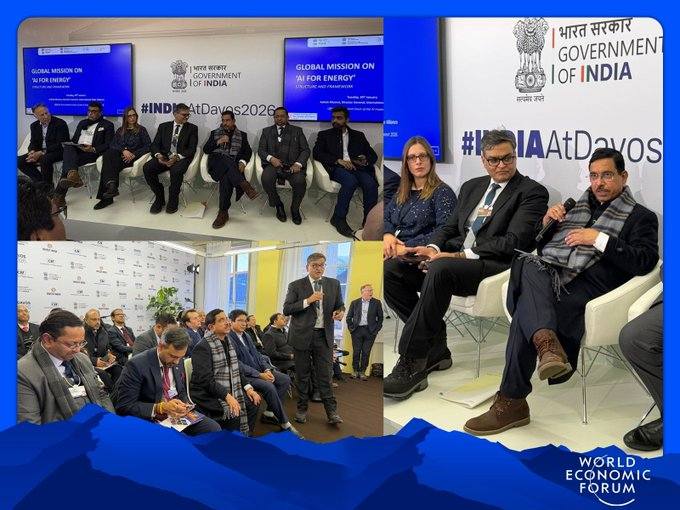
The 56th World Economic Forum (WEF) Annual Meeting 2026 convened in Davos-Klosters, Switzerland from 19 to 23 January, under the overarching theme “A Spirit of Dialogue.” This theme signified the Forum’s core objective: revitalizing global cooperation amid a fragmented geopolitical environment, economic volatility, and rapid technological disruption. The meeting brought together an unprecedented gathering of nearly 3,000 leaders from over 130 countries, including close to 65 heads of state and government, over 400 senior political leaders, nearly 830 CEOs and chairpersons, and representatives from civil society, academia, and youth organizations.
The Forum was structured around five defining global questions:
- How can we cooperate in a more contested world?
- How can we unlock new sources of growth?
- How can we better invest in people?
- How can we deploy innovation at scale and responsibly?
- How can we build prosperity within planetary boundaries?
This agenda reflected the urgent need to balance geopolitical tensions with economic resilience, social development, technological governance, and environmental sustainability.
Key Opening Sessions and Leadership Engagement:
Record Participation and Strategic Dialogues
The Annual Meeting opened with remarks from WEF leadership emphasizing global risk complexity—from geopolitical competition and economic fragmentation to climate stress and technological acceleration. These opening sessions underscored that dialogue must evolve into actionable partnerships focused on resilience, equity, and collective progress.
During the opening, participants highlighted how innovation, cross-sector cooperation, and multilateral dialogue were critical to confronting overlapping global crises. WEF President Børge Brende reaffirmed that the Forum’s role was not merely convening but creating conditions for progress through open, inclusive negotiation.
National Leaders and Country Perspectives:
The meeting was marked by a diversity of national narratives and strategic priorities:
- United States — President Donald J. Trump delivered a high-profile address emphasizing economic achievements and his administration’s global vision, reinforcing the need for dialogue with both allies and adversaries.
- European Union — Ursula von der Leyen, President of the European Commission, stressed the importance of sustained cooperation, adaptation to shifting global dynamics, and a shared approach to international economic governance.
- People’s Republic of China — Vice-Premier He Lifeng articulated China’s intent to champion “universally beneficial and inclusive economic globalization” while fostering shared development opportunities.
- Germany — Federal Chancellor Friedrich Merz highlighted realism and strategic clarity as foundations for navigating the complex global landscape.
- Egypt — President Abdel Fattah El-Sisi emphasized that international dialogue and cooperation are inseparable from peace and sustainable development.
Together, these contributions reflected how major powers and regional actors are recalibrating strategies to align national interests with broader global stability.
DAY 1: Establishing the Agenda — Cooperation Amid Contestation
The first day set the tone for the week: building pathways to cooperation in an increasingly contested world. Multilateralism was a recurring theme, but with recognition of the rise of minilateralism—collaboration among smaller coalitions focused on specific issues, as opposed to broad global pacts.
Global Cooperation Barometer 2026, launched alongside the event, identified shifts in cooperation patterns:
- Trade and capital cooperation showed stagnation.
- Climate, natural capital, and technological cooperation increased.
- Peace and security cooperation continued to decline.
Country examples included remarks about geopolitical tensions, risk of fragmentation, and the need for renewed frameworks that integrate both national sovereignty and shared interests.
DAY 2: Unlocking Growth — Balancing Innovation and Economic Renewal
On the second day, discussions centered on how traditional growth models must evolve in the face of both economic uncertainty and technological opportunity.
Economic frameworks emphasized that although growth remains uneven, emerging regions—particularly South Asia—showed strong momentum. Cities and urban ecosystems were highlighted as engines of economic growth, attracting investment and fostering innovation.
Significant participation from countries like India showcased this agenda:
- Indian officials and chief ministers engaged in panels on economic prospects, including sessions focused on India’s potential to become the world’s third-largest economy.
However, ongoing conflicts and trade policy disputes, particularly linked to U.S.–Europe tensions, were noted as constraints on broader growth cooperation.
DAY 3: Investing in People — Skills, Inclusion, and Future Workforce Readiness
The third day foregrounded the role of human capital in ensuring resilient, equitable progress amid automation and digital transformation.
Key takeaways included:
- Expansion of skill development initiatives, especially in AI, data science, and technological sectors, to address future workforce needs.
- Recognition that investment in people must go beyond technological skillsets to include social inclusion and equitable opportunity access.
World leaders underscored workforce transitions, ethical technology governance, and educational reforms. The ongoing Reskilling Revolution framework—which aims to train a billion individuals by 2030—received renewed commitment.
DAY 4: Responsible Innovation and AI Governance
Discussions on the fourth day focused on technological innovation, particularly artificial intelligence, digital governance, and responsible deployment at scale.
AI was framed not just as an economic driver but also a force requiring governance frameworks that balance innovation with stability, privacy, and societal benefit. Tech leaders demonstrated real-world applications and ethical use cases, emphasizing that AI deployment must support human-centric outcomes.
Sessions included insights from technology pioneers and researchers on robots, autonomous systems, and machine learning applications across industries.
DAY 5: Planetary Prosperity — Climate, Water, and Environmental Security
The final day of the World Economic Forum (WEF) Annual Meeting 2026 in Davos centered on the concept of “prosperity within planetary boundaries,” highlighting how environmental stability is increasingly recognized as essential to global economic resilience and long-term development. The discussions and outcomes reinforced that climate, water, and ecosystem security are not isolated environmental issues but foundational elements of economic growth, geopolitical stability, and social wellbeing.
Elevating Water Security through “Blue Davos” and the “Year of Water”
A defining highlight of the concluding sessions was the introduction of the “Blue Davos” initiative alongside the declaration of 2026 as the “Year of Water.” This marked a strategic shift in global sustainability discourse, positioning water as a core pillar of economic infrastructure and climate resilience. The initiative was launched in response to mounting climate disruptions affecting the global water cycle, including intensified floods, droughts, ocean warming, and rising sea levels. These disruptions are increasingly threatening supply chains, food systems, infrastructure, and livelihoods worldwide.
Water ecosystems were emphasized as having enormous economic value, estimated at approximately $58 trillion annually, yet global investment in water infrastructure remains significantly inadequate. The WEF highlighted that failure to address water insecurity could jeopardize trillions in economic value and exacerbate climate vulnerability, especially in developing economies. Consequently, global leaders called for stronger financial commitments, policy integration, and cross-sector cooperation to address water risks comprehensively.
Water as Economic and Strategic Infrastructure

Discussions at Davos 2026 reframed water from being viewed solely as a humanitarian or environmental issue to a fundamental economic driver. Experts noted that water stress could expose nearly 31% of global GDP to risk by 2050, demonstrating its direct implications for industrial productivity, agriculture, urban planning, and global trade systems. In response, the forum launched collaborative initiatives to integrate water risk into corporate strategies and public policy frameworks, promoting stronger ocean stewardship and freshwater ecosystem management.
Several new partnerships and policy frameworks focused on accelerating investments in water infrastructure and governance. Reports presented at the forum identified a global €6.5 trillion gap in water infrastructure investment, underscoring the need for coordinated action between governments, financial institutions, and private sector stakeholders. Closing this gap could generate significant global economic benefits while supporting employment creation and enhancing climate adaptation capacity.
Advancing Circular Water Systems and Innovation
A key sustainability focus during the final day was the promotion of circular water economy models, which aim to transition away from traditional “take-use-dispose” water systems toward regenerative approaches emphasizing reuse, resource recovery, and ecosystem restoration. These strategies are designed to enhance water availability, reduce waste, and improve resilience against climate-induced disruptions. Circular water management was highlighted as both an environmental necessity and a significant economic opportunity capable of strengthening infrastructure and reducing long-term resource pressures.
Scaling Nature-Based Solutions and Environmental Cooperation

Another central outcome of Day 5 was strong advocacy for nature-based solutions, including restoration of wetlands, forests, and coastal ecosystems as cost-effective mechanisms for climate adaptation and disaster risk reduction. Leaders emphasized that environmental conservation and economic development are interdependent rather than competing priorities. The WEF underscored that sustainable ecosystems support infrastructure stability, protect biodiversity, and enable inclusive economic growth.
Global collaboration was identified as critical for addressing cross-border water basins, climate migration, and ecosystem degradation, as environmental risks increasingly transcend national boundaries. This reinforced calls for integrated water governance, increased public-private partnerships, and alignment with international sustainability frameworks such as the Sustainable Development Goals (SDGs), particularly SDG 6 (Clean Water and Sanitation) and SDG 13 (Climate Action).
A Transformational Shift in Davos Sustainability Dialogue
Overall, Day 5 of WEF 2026 reflected a transformative evolution in global policy thinking. Environmental challenges, particularly water security, were elevated from peripheral sustainability concerns to strategic determinants of economic and geopolitical stability. The “Blue Davos” initiative symbolized a broader shift toward recognizing natural resources as integral assets for sustaining global prosperity, ensuring resilience against climate risks, and enabling inclusive, sustainable development worldwide.
Country Roles, Statements, and Leadership Contributions:
The diversity of national engagement at Davos enabled a cross-section of perspectives:
- United States: President Trump emphasized his economic vision and called for wide-ranging dialogue.
- European Union: Ursula von der Leyen advocated deeper cooperation and alignment with global partners amid geopolitical complexity.
- China: Vice-Premier He Lifeng underscored inclusive globalization and economic cooperation.
- Canada: Prime Minister Mark Carney delivered a strategic address calling for coalition-based cooperation among middle powers to safeguard shared interests and respond proactively to global instability.
- Emerging and Middle Powers: Countries such as Nigeria signaled renewed commitment to engage proactively in global economic discourse, framing Africa’s role in systemic resilience and structured global integration.
India at the World Economic Forum (WEF) 2026, Davos: Key Engagements and Activities
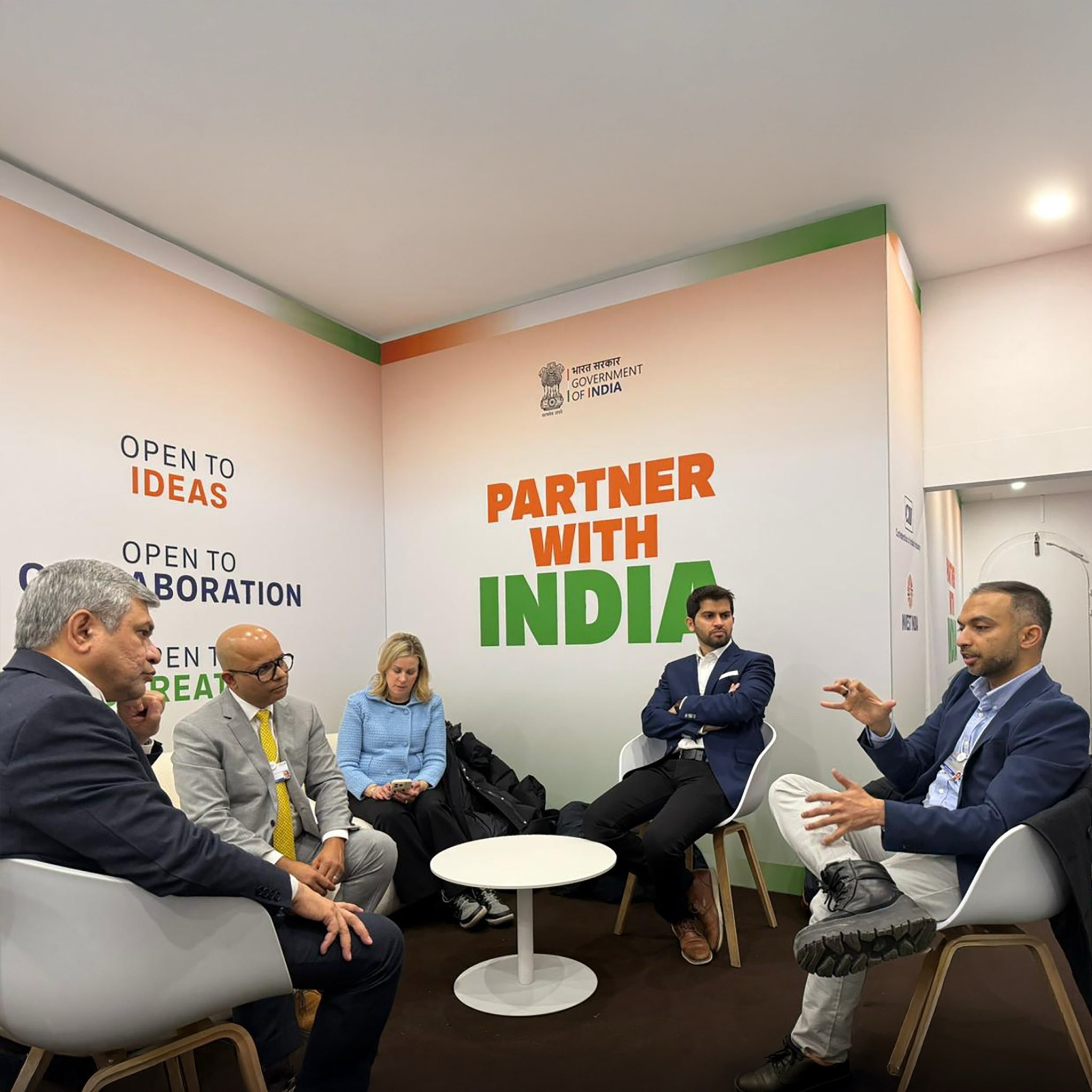
India maintained a strong and multi-sectoral presence at the World Economic Forum (WEF) Annual Meeting 2026 in Davos, Switzerland, which was held from 19–23 January 2026 under the theme “A Spirit of Dialogue.” The forum brought together global political leaders, industry heads, international organizations, and sustainability advocates to address economic resilience, climate action, technological transformation, and inclusive development. India used this platform to reinforce its leadership in sustainable growth, renewable energy, digital innovation, and international cooperation.
High-Level Government Representation and Policy Advocacy
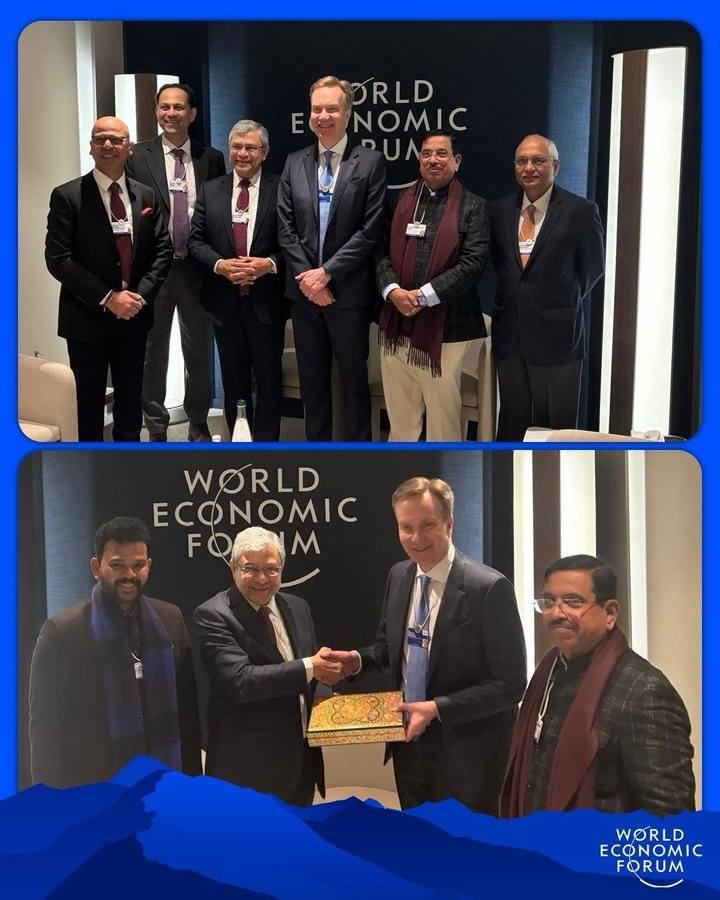
India’s participation included senior Union Ministers such as Pralhad Joshi (New and Renewable Energy), Ashwini Vaishnaw (Railways, Electronics and IT), Shivraj Singh Chouhan (Agriculture and Farmers’ Welfare), and K. Rammohan Naidu (Civil Aviation), along with Chief Ministers from Maharashtra, Andhra Pradesh, Telangana, Madhya Pradesh, Jharkhand, and Assam. This broad representation highlighted India’s federal and collaborative governance approach to economic and environmental transformation.
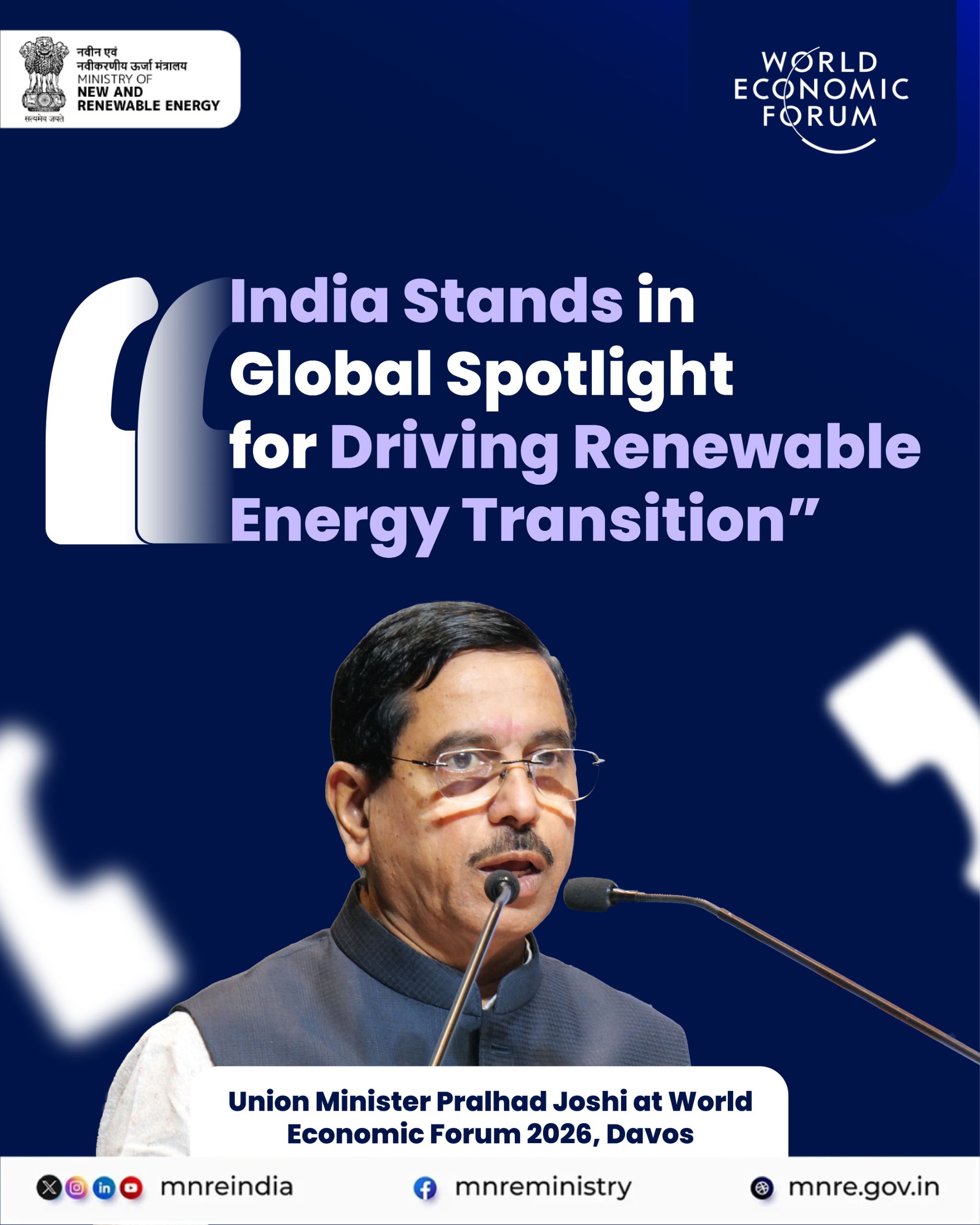
Union Minister Pralhad Joshi played a prominent role by presenting India’s clean energy achievements and investment potential. He emphasized India’s success in expanding renewable energy capacity, promoting solar and decentralized energy solutions, and advancing initiatives such as PM-Surya Ghar and PM-KUSUM, which enhance energy access while supporting climate goals. These discussions attracted global investor interest and reinforced India’s status as a major destination for renewable energy investments and clean technology manufacturing.
Renewable Energy, Sustainability and Global Partnerships

India used WEF 2026 to highlight its commitment to climate mitigation, sustainable development, and green economic growth. The country showcased progress in solar manufacturing, green hydrogen production, digital public infrastructure for energy, and artificial intelligence-driven energy management. These initiatives demonstrate India’s integrated strategy of achieving economic expansion while meeting environmental and SDG commitments.
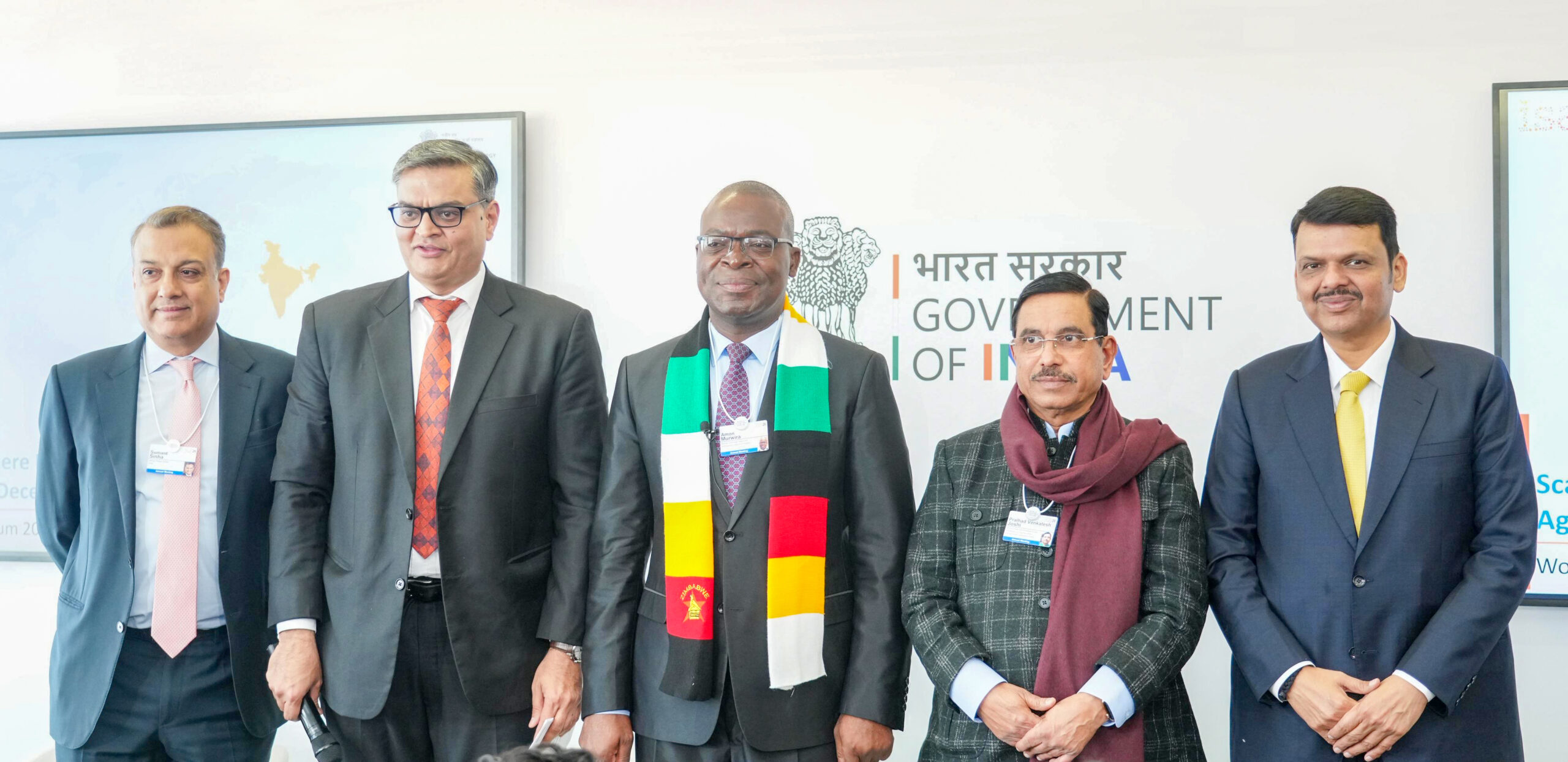
India also actively engaged in bilateral and multilateral meetings with countries such as Belgium, Kuwait, Zimbabwe, Oman, and Paraguay to strengthen cooperation in renewable energy, offshore wind, solar power, and climate finance. Such engagements reinforced India’s role as a global knowledge partner, especially for the Global South, by sharing scalable models of inclusive and decentralized energy systems.
State-Level Engagements and Investment Promotion
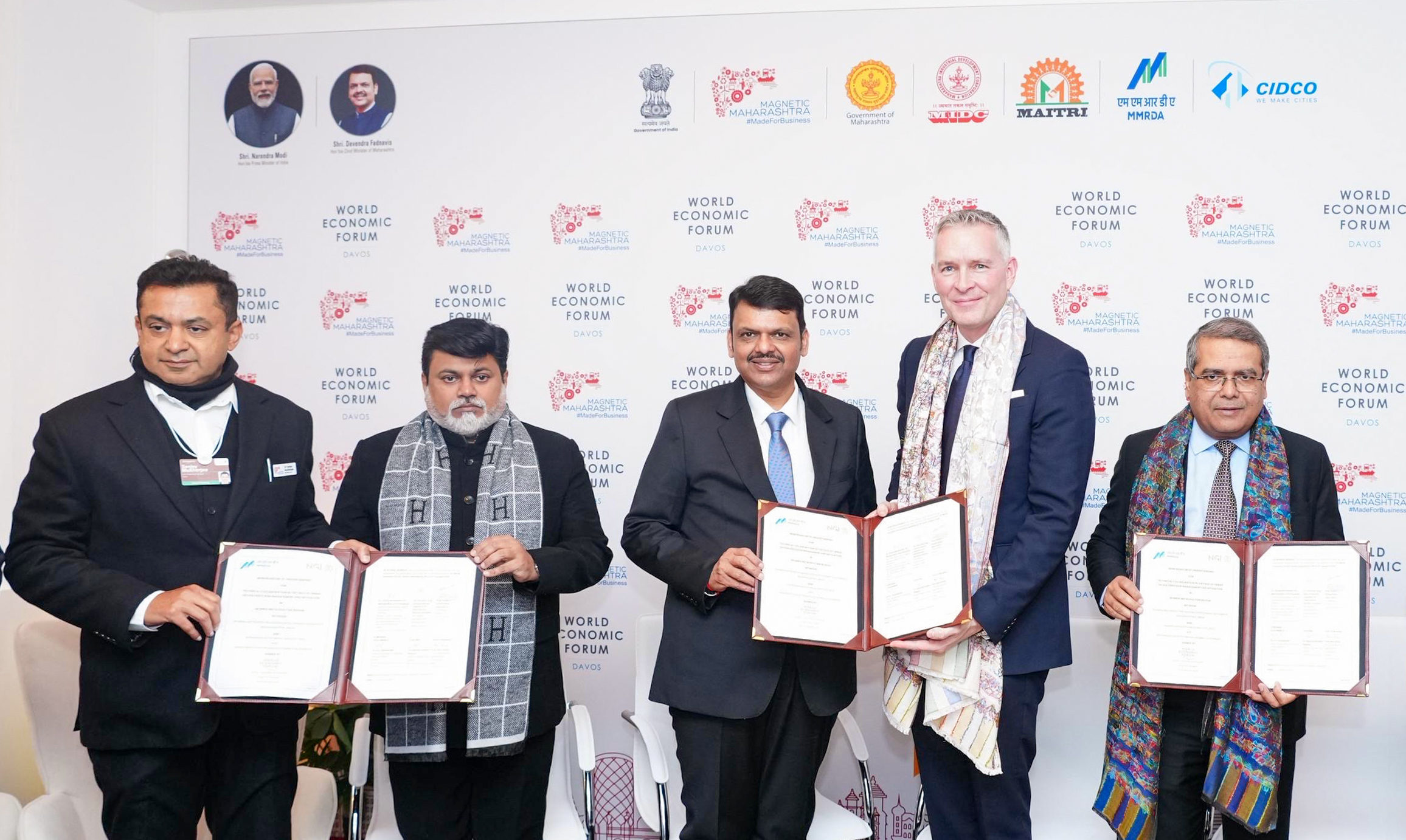
Indian states utilized the WEF platform to promote sectoral investment opportunities and strengthen economic diplomacy. For example, Karnataka conducted over forty bilateral meetings with global corporations and institutions focusing on advanced manufacturing, clean energy, digital infrastructure, and sustainable water management. These engagements reflected India’s subnational leadership in sustainability and technological innovation.
Similarly, other states promoted energy security, critical minerals, women-led entrepreneurship, and sustainable industrial development, reinforcing India’s decentralized approach to climate action and economic transformation.
Corporate and Innovation Leadership
India’s delegation also included over 100 CEOs and business leaders representing sectors such as finance, technology, manufacturing, and clean energy. Their participation facilitated investment partnerships, innovation collaborations, and technological knowledge exchange aligned with sustainable development and digital transformation objectives.
Engagement of Civil Society and Sustainability Alliances
Alongside government and corporate stakeholders, civil society and sustainability partnerships played a role in India’s WEF engagement. One of our partners Global Alliance for a Sustainable Planet (GASP), an international platform that fosters partnerships among governments, investors, entrepreneurs, and global institutions to address environmental and developmental challenges. The presence of GASP at Davos, including participation alongside a minister, highlighted collaborative efforts between public leadership and global sustainability alliances to promote climate resilience and planetary stewardship.
Strategic Significance of India’s Participation
Overall, India’s engagement at WEF 2026 reinforced its growing influence in shaping global sustainability discourse. The country successfully positioned itself as a leader in clean energy transition, climate innovation, and SDG-aligned economic development. Through policy advocacy, investment outreach, technological collaboration, and multi-stakeholder partnerships, India strengthened its global role in promoting sustainable and inclusive growth pathways.
While formal MoUs varied by region, high-level meetings—including 120+ investor dialogues from Uttar Pradesh and investment proposals worth ₹2.92 lakh crore—underscored India’s strategic positioning on technology, infrastructure, and sustainable growth.
Emerging Opportunities and Strategic Directions
The Forum highlighted several critical strategic imperatives shaping global policy discourse:
- Geoeconomic Realignment: Recognition that economic rivalry and fragmentation pose central risks requiring adaptive global governance mechanisms.
- Inclusive Technological Governance: Aligning technological innovation with equity, ethics, and skill-building strategies to safeguard inclusive growth.
- Human Capital Investment: Future workforce readiness through upskilling, reskilling, and educational innovation.
- Planetary Boundaries and Environmental Integration: Water security, climate adaptation, and sustainable infrastructure as pillars of economic strategy.
Expansion of the Global Network of Centers for the Fourth Industrial Revolution (C4IR)
At the World Economic Forum Annual Meeting 2026, the Forum announced the launch of five new Centers for the Fourth Industrial Revolution (C4IR) as part of its global network dedicated to responsible technology governance and innovation policymaking. These centers will work with governments, industry partners, and experts to develop practical policy frameworks, pilot projects, and region-specific solutions in areas such as artificial intelligence (AI), cyber resilience, energy transition, and frontier technologies.
Newly Announced Centers and Host Countries
- European Centre for AI Excellence — France (Paris)
Focus: Responsible AI innovation and adoption across European sectors. - Centre for AI-Driven Innovation — United Kingdom (London)
Focus: AI deployment, convergence with frontier technologies, and scalable solutions. - Centre for Intelligent Future — United Arab Emirates (Abu Dhabi)
Hosted by MBZUAI, focusing on global AI research, infrastructure, and adoption strategies. - Abu Dhabi Centre for Frontier Technologies — United Arab Emirates (Abu Dhabi)
Focus: Quantum, robotics, space tech, and advanced AI collaboration. - Centre for Energy and Cyber Resilience — India (Andhra Pradesh)
Focus: Innovation-led energy transition strategies and cyber resilience across industries.
These additions expand the C4IR network’s geographic and thematic reach, enhancing its role as a multistakeholder platform for shaping technology policy that supports sustainable economic and social outcomes.
Strategic Importance
- The new centers will accelerate regional innovation ecosystems and enable countries to co-design technology governance aligned with national priorities.
- Their focus on AI, cyber resilience, energy systems, and frontier technologies dovetails with broader Davos discussions on economic growth, ethical innovation, and global cooperation.
For India, hosting the Centre for Energy and Cyber Resilience enhances national capabilities in tech governance, energy transition planning, and secure digital ecosystems, aligning with India’s drive toward innovation-led growth. For the India Water Foundation, the expanded C4IR network offers pathways to integrate digital tools and data-driven solutions into climate resilience and water management systems.
Key Thematic outcomes of the WEF 2026:
- Global Cooperation Renewal:
Reinforced commitment to dialogue, multilateralism, and minilateral partnerships to manage geopolitical fragmentation and rebuild trust among nations.
- Economic Resilience and New Growth Models:
Shift toward sustainable, innovation-led growth frameworks that integrate economic performance with social equity and long-term resilience. - Investment in People and Human Capital:
Strong focus on skills development, reskilling, inclusive workforce transitions, and education systems aligned with the digital and green economy. - Responsible Innovation and AI Governance:
Advancement of ethical frameworks for artificial intelligence, digital governance, data protection, and human-centric technology deployment. - Planetary Sustainability and Climate Action:
Integration of climate resilience, biodiversity protection, and sustainable infrastructure into core economic planning. - Water Security and Resource Governance:
Elevation of water as a strategic global priority through initiatives such as Blue Davos and the designation of 2026 as the Year of Water. - Multistakeholder Partnerships:
Strengthening of public–private–civil society collaboration models for scalable development and sustainability initiatives. - Institutional and Governance Reform:
Emphasis on transparent, adaptive, and evidence-based governance systems capable of managing complex global risks.
Conclusion
The World Economic Forum (WEF) Annual Meeting 2026 in Davos emerged as a significant global platform where leaders from governments, businesses, and international organisations convened to deliberate on pressing economic, technological, environmental, and geopolitical challenges. Held amid global uncertainties and shifting power dynamics, the summit centred on themes such as cooperation in a contested world, unlocking new sources of growth, investing in people, scaling responsible innovation, and ensuring prosperity within planetary boundaries. These discussions highlighted the growing urgency of balancing economic advancement with sustainability and environmental responsibility.
The 2026 forum demonstrated how global development is increasingly shaped by technological transformation, particularly artificial intelligence, supply chain restructuring, and climate-related risks. The discussions reinforced that future economic growth must align with environmental protection and sustainable resource management. Leaders emphasized that innovation, clean energy transitions, and governance reforms are essential to addressing climate change and achieving Sustainable Development Goals (SDGs). The emphasis on operating within “planetary boundaries” reflected a strong global consensus on sustainable growth and environmental stewardship as essential components of long-term prosperity.
For India, WEF 2026 proved especially important as it reinforced the country’s growing global economic and strategic influence. India was widely recognised as a stable growth engine in an uncertain global environment due to its macroeconomic resilience, digital transformation, and strong reform momentum. The forum provided India with opportunities to attract investment, enhance international cooperation, and strengthen sectors such as artificial intelligence, green energy, advanced manufacturing, and digital infrastructure. Additionally, initiatives such as the India Skills Accelerator highlighted India’s focus on building a future-ready workforce aligned with sustainable development and technological progress.
From an environmental and sustainability perspective, India’s participation showcased its commitment to green growth, ESG compliance, renewable energy expansion, and sustainable industrial transformation. Indian states and industries used the forum to promote responsible economic models, diversification from resource-intensive sectors, and environmentally conscious business practices. These efforts directly contribute to global sustainability goals, including climate action, clean energy, decent work, and sustainable economic growth.
Overall, WEF Davos 2026 played a crucial role in shaping global dialogue on economic stability, environmental responsibility, and sustainable development. For India, the forum strengthened its position as a key contributor to global growth while reaffirming its commitment to sustainability, environmental protection, and SDG implementation. The outcomes of the meeting highlight that global collaboration, responsible innovation, and sustainable policies will be essential for addressing future global challenges and ensuring inclusive and environmentally balanced development.
*Editor, Focus Global Report