Dr. Arvind Kumar*
Yerevan, Armenia | 19–31 October 2026
Introduction
The 2026 United Nations Biodiversity Conference, held in Yerevan, Armenia, from 19 to 31 October 2026, marked a significant milestone in global efforts to address biodiversity loss and accelerate the implementation of the Kunming-Montreal Global Biodiversity Framework (KMGBF). Convened at the midpoint of the Framework’s implementation period, the Conference provided an important platform to assess collective progress, identify implementation gaps and strengthen international cooperation towards achieving the global biodiversity targets for 2030 and the overarching vision for 2050
Biodiversity is fundamental to ecological stability, food security, clean air and water, public health, livelihoods and economic prosperity. However, accelerating biodiversity loss, ecosystem degradation and unsustainable patterns of resource utilisation continue to threaten ecological integrity and human well-being. Recognising these interconnected challenges, the Convention on Biological Diversity (CBD), adopted in 1992, provides the principal international framework for biodiversity conservation, sustainable utilisation of biological resources, and the fair and equitable sharing of benefits arising from genetic resources.
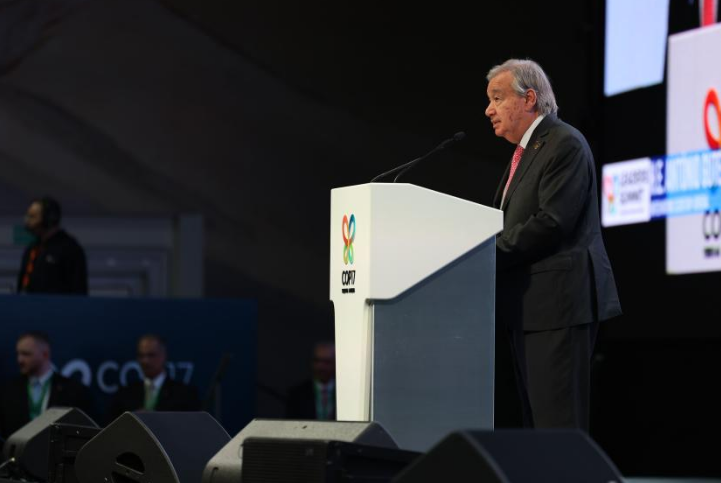
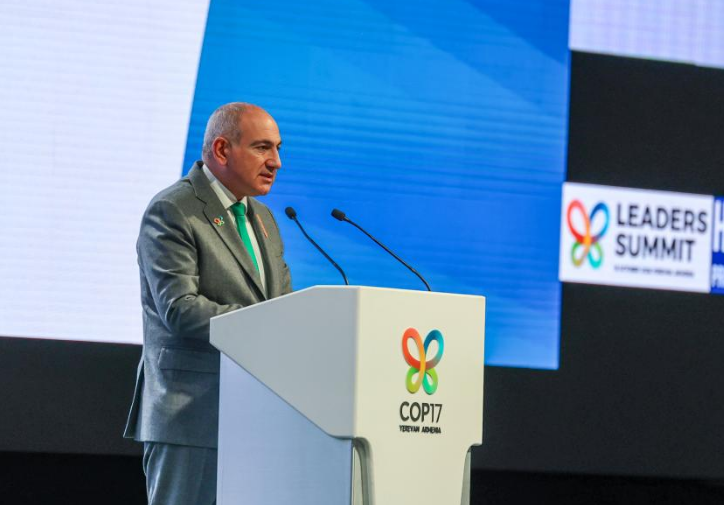
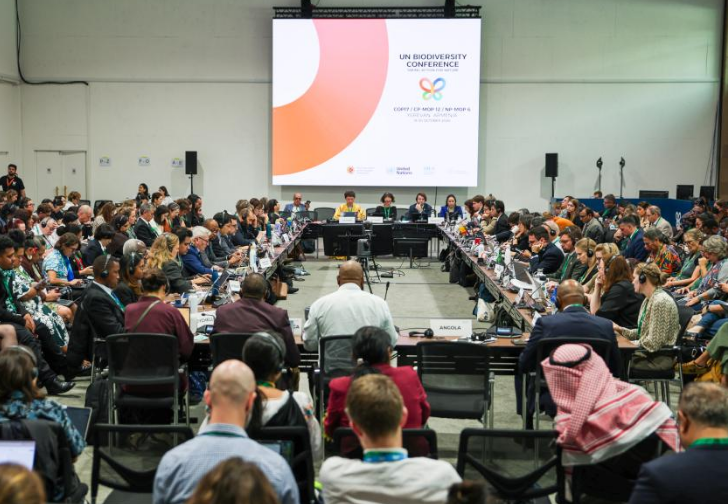
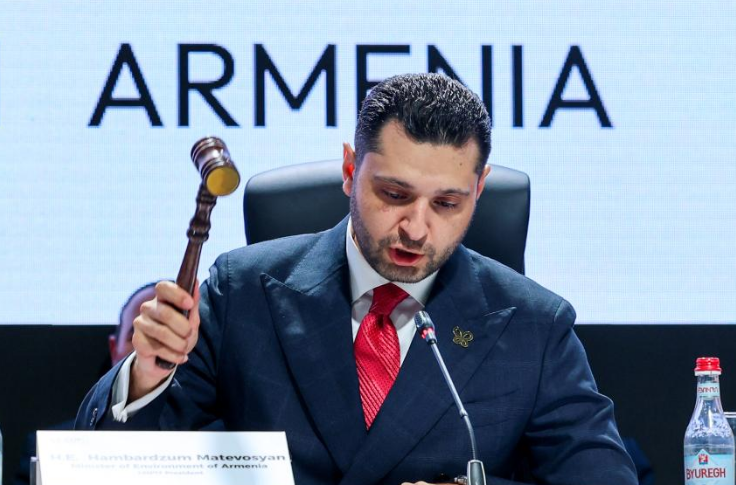
The Conference brought together approximately 9,400 participants and comprised three concurrent meetings: the 17th Conference of the Parties to the CBD (CBD COP 17), the 12th Meeting of the Parties to the Cartagena Protocol on Biosafety (CP-MOP 12), and the sixth Meeting of the Parties to the Nagoya Protocol (NP-MOP 6). The proceedings were preceded by a Leaders’ Summit on Biodiversity on 16 October and an opening ceremony on 18 October. The Yerevan Declaration, adopted at the Leaders’ Summit, and the Global Youth Summit for Biodiversity provided important political and societal dimensions to the discussions.
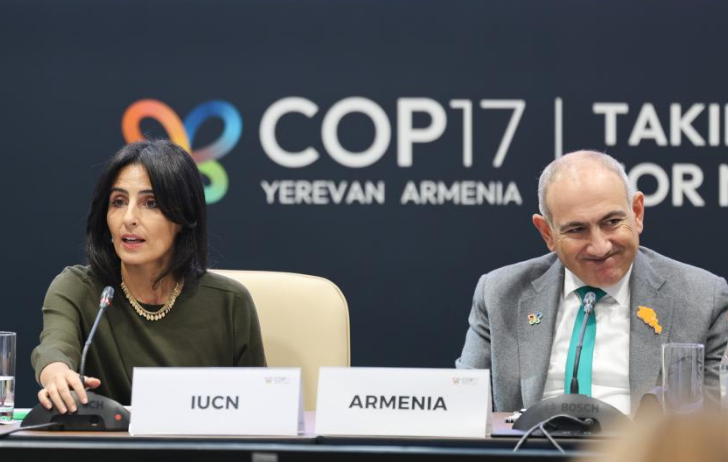
The Conference also hosted several parallel initiatives, including the Nature and Culture Summit, the ninth Summit for Subnational Governments and Cities, the Capacity-Building and Development Forum, Judges Day and the Global Biodiversity Framework Pavilion.
A central focus of the Conference was the first global review of collective progress under the KMGBF, informed by national reports, the State of Biodiversity Action report, national biodiversity strategies and action plans (NBSAPs), regional dialogues and scientific assessments, including those of the Intergovernmental Science-Policy Platform on Biodiversity and Ecosystem Services (IPBES).
The review acknowledged that the Framework has generated unprecedented international commitment, political engagement and collaborative action. Nevertheless, substantial gaps remain between global ambitions and their translation into national policies, institutional capacities and measurable outcomes. Financial resources, technology transfer, technical cooperation and effective participation of local communities continue to be critical requirements for implementation.
Against this backdrop, the Yerevan Conference sought to move the global biodiversity agenda beyond commitments towards coordinated implementation, reinforcing the importance of whole-of-government and whole-of-society approaches.
Key Outcomes and Major Deliberations
Global Review of the Kunming-Montreal Global Biodiversity Framework
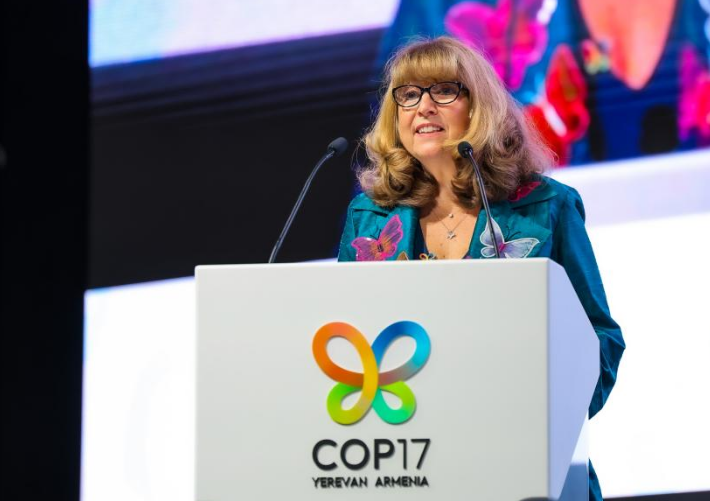
One of the most significant outcomes of COP 17 was the adoption of the decision on the first global review of collective progress in implementing the KMGBF. The review highlighted improvements in national biodiversity monitoring systems, knowledge management, institutional coordination and stakeholder participation.
However, progress remains insufficient across several critical targets, particularly those addressing the indirect drivers of biodiversity loss. These include Target 15, concerning the assessment, disclosure and reduction of biodiversity-related risks and negative impacts by businesses and financial institutions; Target 16, addressing sustainable consumption; and Target 20, focusing on capacity-building, technology transfer and technical and scientific cooperation.
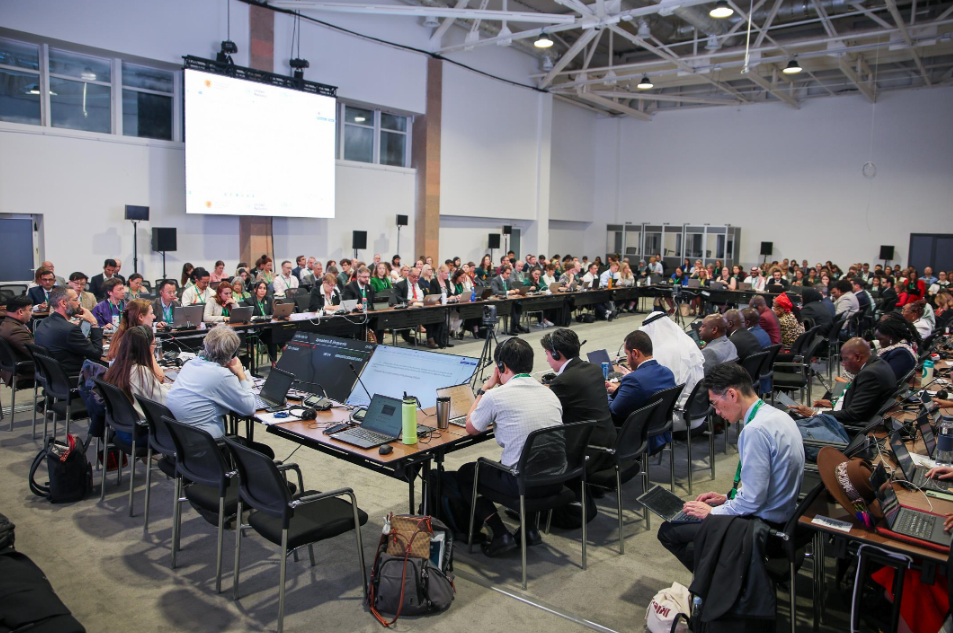
The Conference urged Parties to accelerate implementation, strengthen their NBSAPs and national biodiversity targets, and improve the integration of biodiversity considerations into national development priorities. It also emphasised the importance of incorporating commitments from subnational governments, Indigenous Peoples and local communities, women, youth, research institutions, civil society and the private sector.
An important direction emerging from the deliberations was the need to strengthen policy coherence across biodiversity, climate change, food systems, water resources, public health, land use and sustainable development. This recognises that biodiversity conservation cannot be pursued independently of broader development and environmental priorities.
Biodiversity Finance and Resource Mobilisation
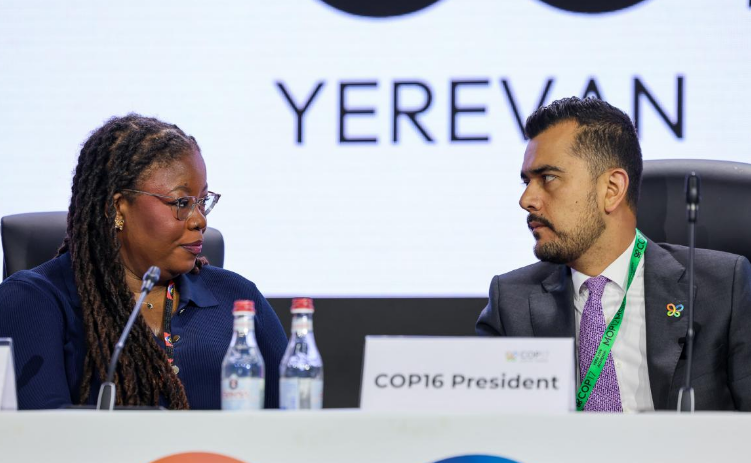
Resource mobilisation remained one of the most contentious issues at COP 17, reflecting longstanding differences between developed and developing countries regarding financial responsibilities and the institutional structure of the Convention’s financial mechanism.
Under KMGBF Target 19, the international community aims to mobilise at least USD 200 billion annually from all sources by 2030, including USD 30 billion annually through international finance. Negotiations primarily focused on broadening the contributor base and establishing criteria for the permanent institutional structure of the financial mechanism.
The Conference adopted a compromise inviting Parties not currently included in the contributor list to voluntarily indicate their interest in being added. It also adopted criteria for the institutional structure operating the financial mechanism, paving the way for further deliberations towards a decision at COP 19.
The Global Environment Facility (GEF) was encouraged to improve accessibility, transparency and predictability of biodiversity financing, particularly for developing countries, least developed countries (LDCs) and small island developing states (SIDS). The Conference welcomed USD 4.4 billion in pledges for the ninth replenishment of the GEF Trust Fund (GEF-9), while expressing concern regarding the reduction in replenishment compared with the previous cycle.
The decision also emphasised stronger engagement with private-sector financing, national biodiversity finance plans and improved coordination between international environmental funds.
Digital Sequence Information and the Cali Fund
Digital Sequence Information (DSI) on genetic resources emerged as another major negotiating issue. Advances in biotechnology and digital technologies have made genetic information accessible beyond the geographical locations of the biological resources from which it originates, raising questions regarding equitable benefit-sharing and accountability.
The Cali Fund, established under the multilateral mechanism on benefit-sharing from DSI use, seeks to ensure that benefits arising from the commercial utilisation of genetic information contribute towards biodiversity conservation and support the communities that safeguard biological resources.
COP 17 established an intersessional Working Group to further develop the multilateral mechanism, including the Cali Fund, and submit recommendations to COP 18. It clarified that monetary contributions at indicative rates of 1% of profit or 0.1% of revenue would qualify users for a Cali Fund certificate for the relevant year.
The Conference also established an Ad Hoc Technical Expert Group on allocation methodology and called for further work on non-monetary benefit-sharing, data accessibility, transparency and cooperation with genetic sequence databases.
These developments seek to improve the effectiveness of the mechanism and strengthen equitable benefit-sharing from the growing utilisation of genetic resources.
Indigenous Peoples, Local Communities and Traditional Knowledge
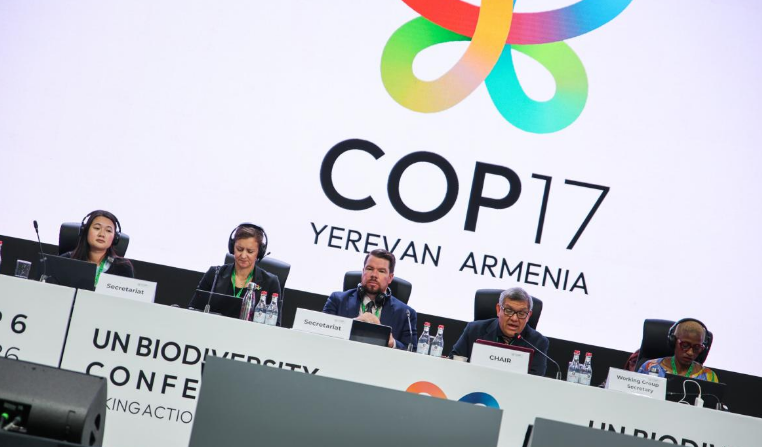
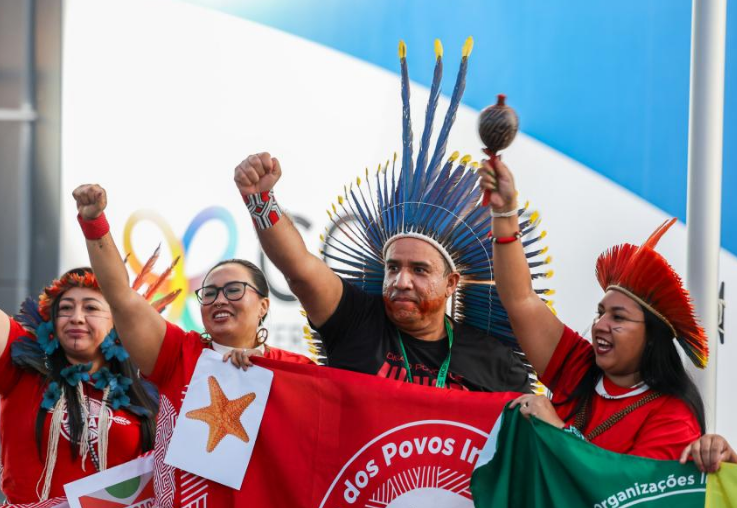
The role of Indigenous Peoples and local communities (IPLCs) in biodiversity conservation was an important dimension of the Yerevan negotiations. Discussions focused on the institutional arrangements and functioning of the Subsidiary Body on Article 8(j), established at COP 16, and the extent of participation and representation of IPLCs in its decision-making processes.
COP 17 adopted a compromise establishing a Friends of the Bureau group comprising IPLC representatives, while deferring its composition, selection and operational modalities to COP 18.
Importantly, the decision provides for two Co-Chairs of the Subsidiary Body, with one nominated by Parties and the other by IPLC representatives through their own procedures.
The Conference also adopted the Sevan Guidelines, providing voluntary guidance on strengthening the legal and policy framework for recognising the role of IPLCs and their traditional territories in spatial planning, ecosystem restoration, area-based conservation and environmental impact assessments.
The guidelines encourage the integration of traditional knowledge, improved land tenure and governance arrangements, and the meaningful participation of IPLCs, women and youth in biodiversity-related decision-making.
Ecosystem Conservation, Restoration and Biodiversity Mainstreaming
The Conference reinforced the importance of integrating biodiversity conservation into sectoral policies and development planning.
On protected areas, COP 17 updated the Programme of Work, recognising the contribution of other effective area-based conservation measures (OECMs), ecological connectivity and Indigenous and traditional territories towards achieving KMGBF Target.
On forest biodiversity, the Conference adopted an expanded programme of work, encouraging gender-sensitive implementation and stronger cooperation with relevant multilateral environmental agreements and international organisations.

Deliberations on agricultural biodiversity highlighted the importance of soil biodiversity, pollinators, scientific research and improved monitoring systems. Parties were encouraged to mainstream sustainable soil biodiversity initiatives into sectoral policies and strengthen coordination with the Food and Agriculture Organization of the United Nations (FAO).
The Conference also initiated further work on biodiversity-inclusive spatial planning, sustainable biodiversity-based activities and the integration of different value systems into biodiversity conservation.
These discussions underline the importance of treating ecosystems as interconnected systems rather than isolated conservation units.
Capacity-Building, Technology Transfer and Knowledge Management
Recognising the implementation challenges faced by developing countries, COP 17 emphasised the need to strengthen technical and scientific cooperation, institutional capabilities and technology transfer.
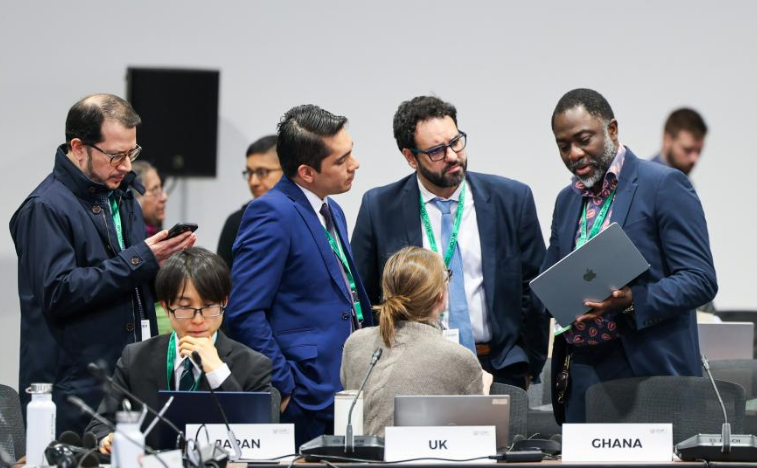
Parties were encouraged to work with Technical and Scientific Cooperation (TSC) support centres to identify national and regional capacity gaps and develop demand-driven capacity-building programmes.
The Conference also emphasised the importance of strengthening the Clearing-House Mechanism (CHM), improving information exchange and promoting knowledge-sharing platforms. Particular attention was given to interoperability, national biodiversity databases and the integration of traditional and scientific knowledge.
In addition, the Conference welcomed the draft Global Plan of Action for Education on Biodiversity, encouraging its integration into national biodiversity strategies and formal education systems.
Biosafety and the Cartagena Protocol
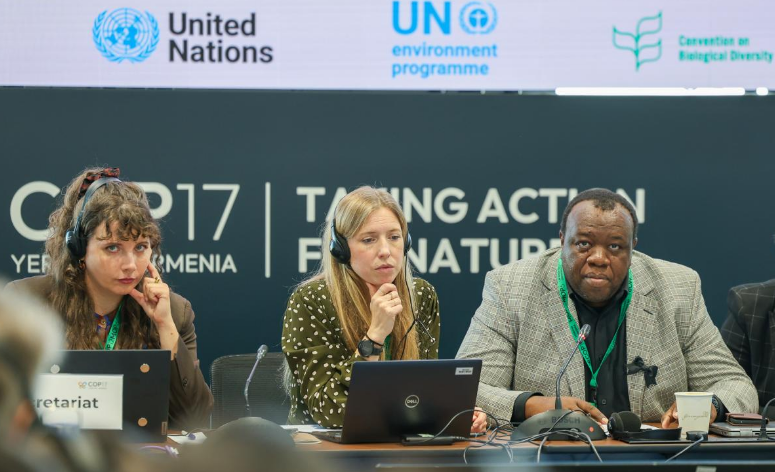
The 12th Meeting of the Parties to the Cartagena Protocol addressed biosafety governance amid rapid developments in modern biotechnology.
Discussions focused on risk assessment, national biosafety frameworks, scientific and technical cooperation, socioeconomic considerations and the exchange of information through the Biosafety Clearing-House (BCH).
Parties were encouraged to strengthen national legislative and administrative frameworks, improve institutional capacities and ensure that relevant information on emerging biotechnological developments is shared through the BCH.
The Conference also emphasised the importance of financial security, liability and redress mechanisms under the Nagoya-Kuala Lumpur Supplementary Protocol.
India India Reaffirms Commitment to Biodiversity Conservation
Union Minister for Environment, Forest and Climate Change, Shri Bhupender Yadav, delivered India’s National Statement at the High-Level Segment of the 17th Conference of the Parties to the Convention on Biological Diversity (CBD COP-17) in Yerevan, Armenia. The Minister reaffirmed India’s commitment to conserving biodiversity and strengthening collective efforts to live in harmony with nature. He appreciated the Government of Armenia for hosting the seventeenth meeting of the CBD.
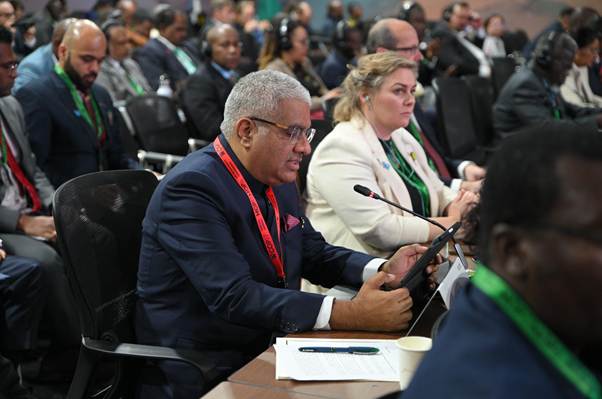
Shri Yadav emphasized that implementation of the Kunming–Montreal Global Biodiversity Framework must be aligned with national priorities, circumstances and legislation, and supported by adequate and predictable finance, capacity-building and technology transfer from developed countries. India also supports benefit-sharing from digital sequence information on genetic resources through the multilateral mechanism, including the Cali Fund. The Minister advocated a science-based, risk-proportionate and precautionary approach to synthetic biology and biosafety. India’s updated National Biodiversity Strategy and Action Plan translates the Global Biodiversity Framework into 23 National Biodiversity Targets and 142 indicators, he informed.
Highlighting India’s progress in biodiversity conservation, Shri Yadav stated that the country has 1,134 Protected Areas, 103 Ramsar sites, 57 Biodiversity Heritage Sites and 18 Biosphere Reserves, including 13 under UNESCO’s Man and the Biosphere Network. He highlighted that under the visionary leadership of Prime Minister Shri Narendra Modi, the International Big Cat Alliance is advancing international cooperation for conservation of the world’s seven big-cat species and their habitats. The Mission LiFE and Ek Ped Maa Ke Naam further underlines environmental stewardship and make biodiversity conservation a collective societal endeavour, he added.
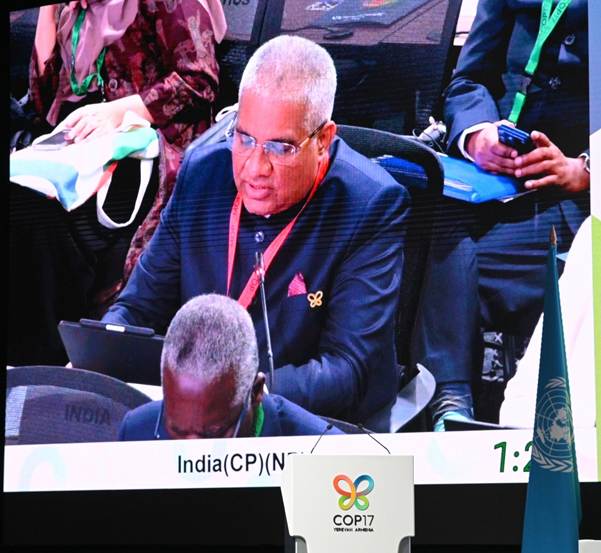
The Minister informed that India is also advancing biodiversity conservation and ecosystem restoration through initiatives including the Mangrove Initiative for Shoreline Habitats and Tangible Incomes (MISHTI) for mangrove restoration, Amrit Dharohar for wetland conservation, and the Soil Health Card Scheme for sustainable soil management and maintaining soil fertility. Shri Yadav highlighted that India has aligned its legislation with the Convention and established village-level committees for decentralised access and benefit sharing, enabling local participation and benefits from sustainable biological resource use.
Reaffirming India’s commitment to multilateral cooperation, Shri Yadav said that India would continue to work with all Parties to advance the Kunming–Montreal Global Biodiversity Framework in the true spirit of “One Earth, One Family, One Future”.
Way Forward
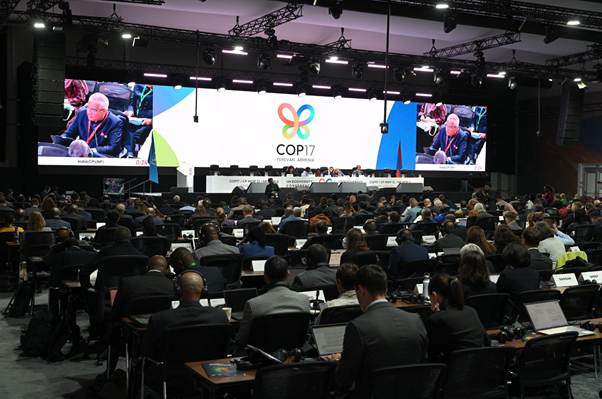
The Yerevan Conference has reinforced that achieving the 2030 biodiversity targets will depend on translating international commitments into measurable action at national, subnational and community levels. The following priorities emerge for strengthening implementation:
- Strengthening National Biodiversity Implementation: Countries should accelerate the revision, alignment and implementation of their NBSAPs, ensuring that biodiversity targets are integrated into national development plans, sectoral policies and institutional strategies. Clear implementation responsibilities, measurable indicators and periodic performance assessments will be essential.
- Mobilising Innovative and Sustainable Finance: Greater efforts are required to bridge the biodiversity financing gap through domestic resource mobilisation, international cooperation, private-sector investment, biodiversity finance plans and innovative financial instruments. Financial mechanisms should be accessible, predictable and responsive to the requirements of developing countries and local communities.

- Promoting Policy Coherence and Institutional Convergence: Biodiversity should be integrated into climate action, water management, agriculture, energy, infrastructure, health and urban development. Stronger coordination between government ministries, international conventions, scientific institutions and development organisations can minimise policy trade-offs and maximise environmental and socioeconomic co-benefits.
- Strengthening Community Participation and Traditional Knowledge: IPLCs, women, youth and grassroots organisations should be recognised as active partners in conservation, ecosystem restoration and sustainable resource management. Community-based monitoring, participatory planning and equitable benefit-sharing should become integral components of biodiversity programmes.
- Advancing Ecosystem Restoration and Nature-Based Solutions: Greater emphasis should be placed on restoring degraded forests, wetlands, rivers, agricultural landscapes and coastal ecosystems. Nature-based Solutions and Ecosystem-based Adaptation can help address biodiversity loss while strengthening climate resilience, water security, food systems and livelihood opportunities.
- Enhancing Business and Financial Sector Accountability: Businesses and financial institutions should progressively integrate biodiversity-related risks and dependencies into their decision-making, disclosure and investment processes. Advancing KMGBF Target 15 requires stronger corporate accountability, biodiversity-sensitive investment frameworks and responsible supply chains.
- Expanding Scientific Cooperation and Digital Innovation: Investment in biodiversity research, monitoring technologies, geospatial mapping, digital databases and early-warning systems should be strengthened. Artificial intelligence and other emerging technologies can support ecosystem assessment, species monitoring and evidence-based decision-making, subject to appropriate safeguards and data governance.
- Strengthening Capacity-Building and International Partnerships: Developing countries require sustained technical assistance, institutional support, technology transfer and access to international funding. Collaboration among governments, UN agencies, civil society, academia, the private sector and regional organisations should be strengthened through knowledge exchange and implementation-oriented partnerships.
- Preparing for the Next Global Review: The period leading to COP 18 and the second global review at COP 19 should be used to address implementation gaps, improve national reporting, strengthen monitoring frameworks and assess the effectiveness of biodiversity financing. The outcomes should inform the development of an inclusive and transparent approach to the post-2030 biodiversity agenda.
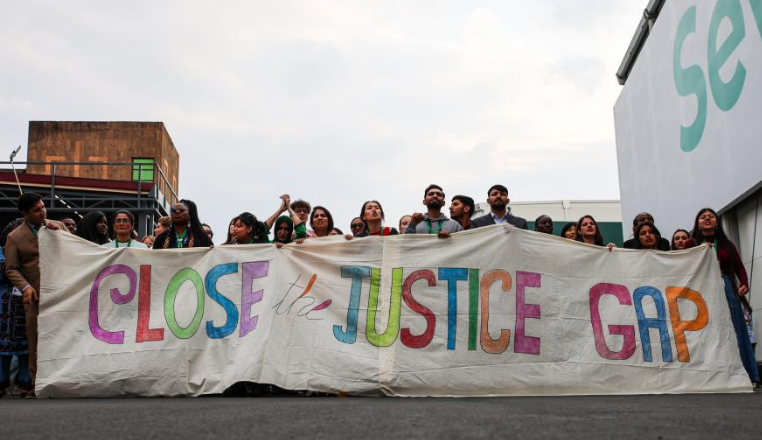
The next phase of the KMGBF must therefore prioritise implementation, institutional accountability, financial accessibility and coordinated action across sectors. The transition from global ambition to measurable biodiversity outcomes will require sustained political commitment and the collective participation of governments, communities, businesses and international institutions.
*Editor, Focus Global Reporter