
Dr. Arvind Kumar*

The world does not lack climate commitments; it lacks the machinery to honour them. The 64th Session of the UNFCCC Subsidiary Bodies (SB64), held recently in Bonn, arrived as the critical midpoint between COP30 in Belém and COP31 in Antalya this November laying bare, with quiet urgency, how much distance remains between a signed agreement and a lived reality. Negotiators, civil society, and technical experts gathered to translate Paris Agreement architecture into actionable outcomes on climate finance, adaptation, fossil fuel transition, and just transition pathways. What Bonn made unmistakably clear was where the fault lines lie and what must be resolved before Antalya if the multilateral climate regime is to retain its credibility.
SB64 was no routine intersessional meeting. As UNFCCC Executive Secretary Simon Stiell framed it, this was a moment demanding “maximum progress.” Against a backdrop of growing geopolitical instability, heightened concerns over global energy security, and extreme heatwaves sweeping Europe, India, and parts of Asia with severe droughts now affecting 40% of global landmass the talks unfolded under the shadow of a physical reality that infused an unusual urgency into the negotiating rooms.
Accordingly, the focus of climate diplomacy has shifted decisively from negotiating frameworks to implementation. Brazil’s COP30 Presidency launched the “Global Climate Action Agenda,” a five-year initiative (2026–2030) designed to operationalise multilateral commitments at the ground level. Six months on, the Agenda has already mobilised more than 480 ongoing action initiatives and 120 Plans to Accelerate Solutions (PAS), bringing together governments, businesses, cities, financial institutions, and civil society. Tangible results include 19 commercially scaled sustainable industrial projects representing approximately US$43 billion in investment reaching final investment decisions, Luxembourg’s €50 million contribution to the Tropical Forests Forever Facility (now backed by over 60 countries), and Brazil’s Eco Invest programme mobilising more than US$20 billion for sustainable fuels and infrastructure.
Three Fronts of Contention
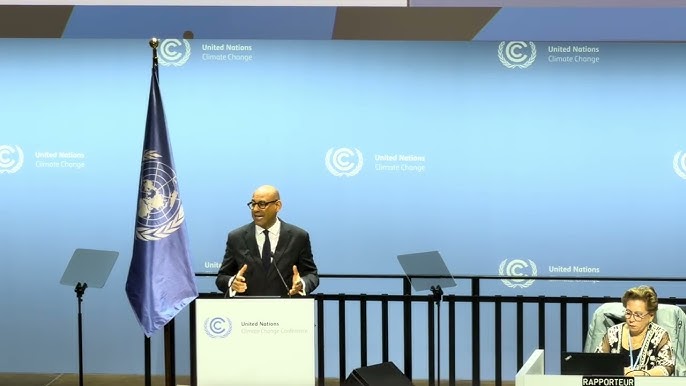
Finance proved the most contentious terrain at SB64. The first session of the Climate Finance Work Programme on Article 9.1 of the Paris Agreement opened amid strong procedural disagreements. Developing countries, led by the G77 and China, the Like-Minded Developing Countries (LMDCs), and the BASIC bloc, argued for dedicated agenda space to enable substantive progress on implementation. India, representing the world’s most populous democracy and a frontline climate-vulnerable nation, reiterated the principles of equity, historical responsibility, and Common But Differentiated Responsibilities and Respective Capabilities (CBDR-RC), while firmly opposing the introduction of new obligations beyond agreed mandates under the UN climate regime.
One must ask: if the Global South bears the greatest burden of climate impacts while receiving the least concessional support, can we honestly call this a global partnership? The International Chamber of Commerce, delivering the Business and Industry opening statement, captured the private sector’s frustration: progress requires moving “beyond discussions on volumes of public finance to address the real bottlenecks and structural barriers that currently constrain private capital, particularly in emerging markets”.
Indicators Without Implementation
On adaptation, the Global Goal on Adaptation (GGA) and the finalisation of the 59 Belém Adaptation Indicators emerged as high priorities. Yet here too, negotiations exposed deep fissures. References to finance proved highly contentious in GGA discussions, with delegates objecting to further engagement on the basis of draft text. Indigenous Peoples’ Organisations demanded representation on the taskforce to support the inclusion of lived experiences, knowledge systems, and governance practices.
The Belém-Antalya Mechanism (BAM) for Just Transition, launched at COP30, received significant attention. Delegates negotiated the framework’s structure, governance, and financing model to ensure meaningful participation from workers, Indigenous communities, and climate-vulnerable groups. However real implementation only works when frontline communities are not only acknowledged but protected and meaningfully included.
For the first time, the UNFCCC convened a Dialogue on Trade and Climate, establishing an annual process in response to developing country concerns over the increasing use of climate-linked trade measures. Developing countries highlighted challenges associated with “reporting requirements, certification, traceability, cost and market access, cross-border impacts, competitiveness and increased cost of imports and exports”. India specifically raised concerns over carbon border levies such as the EU’s Carbon Border Adjustment Mechanism (CBAM), anchoring its intervention in Article 3.5 of the Convention.
The Blind Spot
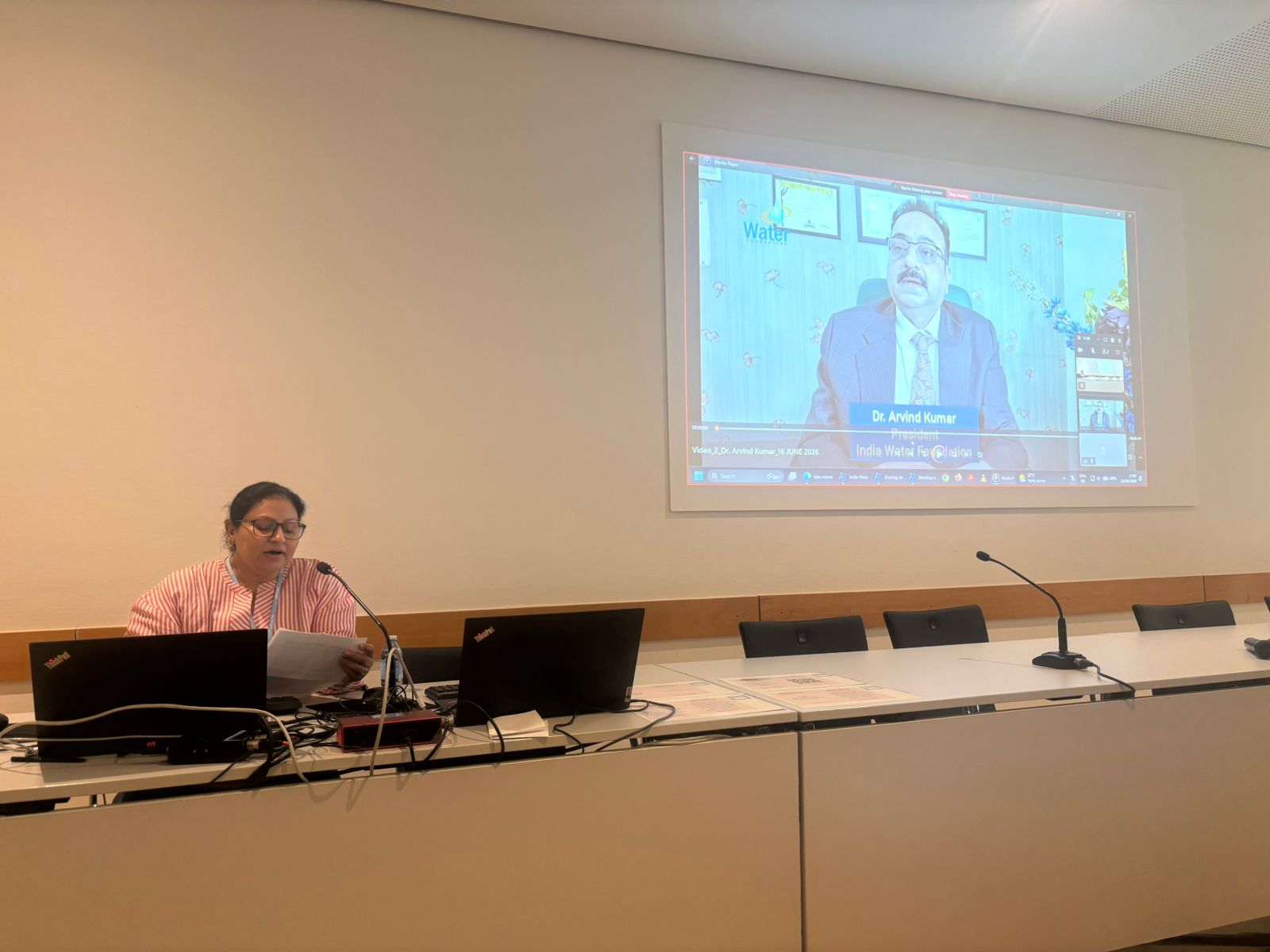
India Water Foundation, in collaboration with CICERO (Centre for International Climate Research Oslo) and Ako Foundation, convened a High-Level Policy Dialogue on “Cross-Sector Partnerships for Water Security in a Climate Resilient World.” The timing was apt: as climate change increasingly affects societies through water, decisions taken within climate processes have profound implications for water governance, investment, and risk management.
The dialogue drew attention to an uncomfortable blind spot in the UNFCCC architecture. Water security the issue that sits at the intersection of agriculture, energy, human health, and ecosystem resilience remains inadequately integrated into formal climate negotiations. Panellists argued for cross-sector financing mechanisms that treat water not as a sectoral concern but as the transversal tissue of climate resilience itself. The collaboration between a Global South civil society actor, a Nordic research institution, and a philanthropic foundation modelled exactly the kind of partnership architecture the broader SB64 conversation was calling for.
The Way Forward
SB64 did not resolve the fundamental tensions of the climate regime, but it made one thing unmistakably clear: implementation can no longer be deferred. The path forward rests on four imperatives transform climate finance from promises into delivery by removing structural barriers to investment and closing the adaptation finance gap; convert Belém’s adaptation indicators into robust methodologies and accountability mechanisms that drive action; rescue the Mitigation Work Programme from procedural stagnation and align it with ambitious NDCs, Global Stocktake outcomes, and just transition pathways; and formally embed water security within the UNFCCC architecture, recognising that climate change is ultimately experienced through water. Bonn exposed the fault lines, but it also revealed the blueprint.
The world does not suffer from a shortage of commitments, it suffers from a shortage of mechanisms to honour them. As climate, biodiversity, and desertification agendas converge in 2026, the challenge is no longer defining ambition but delivering it. The machinery already exists in draft texts, indicators, and work programmes; the test before Antalya is whether the multilateral system can make that machinery work.
*Editor, Focus Global Reporter