Excerpts from an interview of Ms. Deepali Khanna, Senior Vice President & Head of Asia, The Rockfeller Foundation by Dr. Arvind Kumar, Editor, Focus Global Reporter
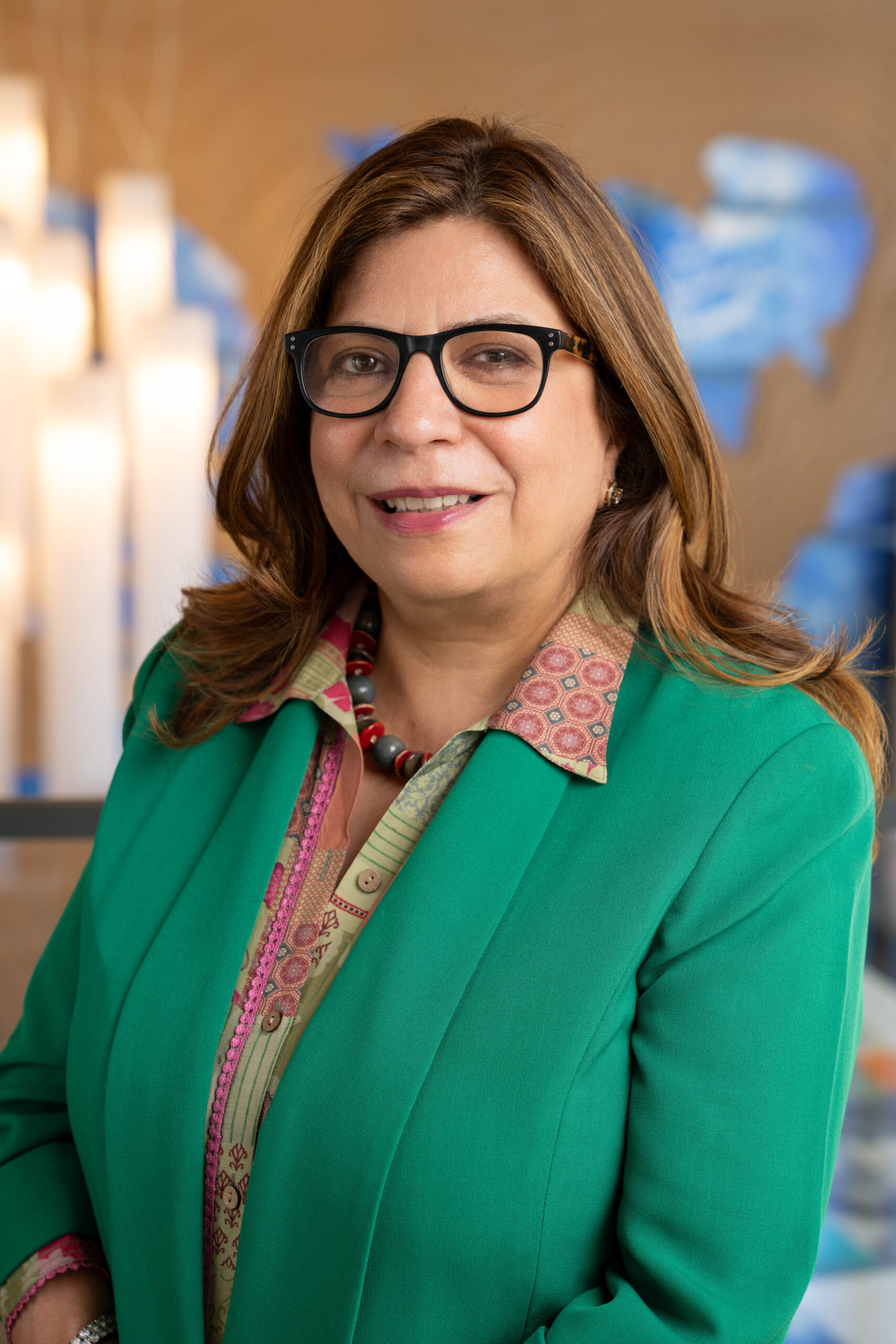
Ms. Deepali Khanna leads The Rockefeller Foundation’s Asia Regional Office, advancing impact through partnerships, innovative grants, and thought leadership. A seasoned leader in global development, she has played key roles in the G20 and G7 ecosystems, including co-chairing task forces. Deepali chairs the board of Digital Green Foundation and is a frequent commentator in leading global and regional publications. A sought-after speaker at international forums, she bridges perspectives on sustainable development and strategic philanthropy. Previously, she held leadership roles at The MasterCard Foundation and Plan International, managing programs across multiple continents.
INTERVIEW
EDITOR: As Senior Vice President, Asia Regional Office, how do you define your core mission for the region today, and what are the two or three “big bets” that you believe can most transform Asia’s development and climate trajectory in this decisive decade?
MS. DEEPALI KHANNA: Our core mission in Asia is to help expand opportunities while addressing the challenges the region faces. While it has some of the world’s fastest-growing economies, it is also home to communities that are deeply vulnerable to climate shocks, food insecurity, health risks, and unequal access to energy and finance. The task at hand is to ensure that progress is sustainable and communities are resilient. Our role is to bring together governments, philanthropy, private capital, civil society, and frontline communities to solve these issues at scale.
The first big bet Asia needs is a just and equitable energy transition. Recent geopolitical disruptions have only underscored the necessity of being self-sufficient in terms of energy generation and distribution. Renewable energy has the potential to curb emissions and transform livelihoods, but we must ensure that the shift is equitable and creates access and opportunities, including for last-mile communities.
The second big bet is to ensure digital infrastructure, AI, and data can help us deliver development solutions with greater speed and precision. For example, in public health and safety, they can help authorities detect patterns, issue early warnings, and mobilize resources to address impending crises.
And a final transformative big bet for Asia is to scale investments in climate action strategies focused on communities placed most at risk by extreme weather, health threats, and other modern challenges. For this, it is essential that climate finance move from commitments and pledges to actual implementation.
EDITOR: You have often emphasized that communities most affected by climate change must be at the forefront of decision-making and solution design. How is the Foundation ensuring that climate resilience initiatives in Asia are truly community-led rather than merely community-targeted?
MS. DEEPALI KHANNA: Who can understand climate risk better than people who have faced extreme weather, floods, crop losses, water stress, displacement, or livelihood disruption? With their experience and their innate understanding of what works in worst-case scenarios, we can help implement solutions that they can own and sustain.
This is especially important in Asia because climate vulnerability is highly localized. A solution that works for a smallholder farmer in India may not work for a coastal community in Indonesia or an urban informal settlement in the Philippines. Local context matters.
The Big Bets Fellowship offers a useful example of this approach. One of the Asia-Pacific fellows, Mustika Wijaya, is working through her non-profit organization, Solar Chapter, to help 300 villages in Indonesia access clean water by 2030. Her work recognizes that installing a water system is not enough; communities must be involved from the start and have ownership over governance, investment, and long-term maintenance. This is especially important in contexts where water systems often fail after installation due to a lack of local capacity and ownership.
EDITOR: Asia faces a massive SDG and climate financing gap, even as new vehicles such as blended finance, catalytic capital, and outcome-based instruments are emerging. From your vantage point, what needs to change in policy, in philanthropy, and in markets to ensure that finance actually reaches climate-vulnerable communities, small cities, and local institutions?
MS. DEEPALI KHANNA: Recent analysis has shown international finance commitments for climate and health increased significantly between 2018 and 2022. However, as you pointed out, it is not adequately reaching the most affected countries and communities. To truly close the gap, we need to emphasize innovative financing mechanisms that can not only mobilize private and commercial investment but also reach last-mile communities. That’s where philanthropy and policy can help.
Philanthropy has shown its strength in playing a catalytic role in early-stage design, data, evidence, and local capacity building for the benefit of vulnerable communities. By providing risk-tolerant capital, it absorbs much of the uncertainty that keeps commercial players from investing in solutions that may take longer to become profitable, but that are needed most to improve lives and livelihoods. Philanthropy must continue to be bold in assuming those risks that allow markets to expand to new corners of the world for communities who need it most.
But catalytic capital alone isn’t enough; we also need the right policy approach. Creating an enabling policy environment to advance change for the benefit of underserved communities requires clear investment pipelines, especially for adaptation, climate-health priorities, resilient infrastructure, and local institutions. Those elements are what lay the foundation for true scale, which is ultimately what is needed to bridge the SDG and climate finance gap.
EDITOR: The Rockefeller Foundation has been a leading voice on distributed renewable energy and linking energy access with livelihoods and poverty reduction. How do you see the idea of a “just and equitable energy transition” playing out across diverse Asian contexts, and what safeguards are needed so that no community is left behind?
MS. DEEPALI KHANNA: A just and equitable energy transition in Asia cannot be understood only as replacing fossil fuels with renewables. It must be about expanding opportunity. Clean energy should help smallholder farmers increase incomes and grow businesses, and help communities access reliable and affordable power and rely on better-functioning health facilities.
Across Asia, even though contexts will differ, the just energy transition can succeed as long as it’s about meeting the needs of communities not served in traditional investment and development. The essential safeguards have to include affordability, reliability, community participation, support for workers and farmers, gender inclusivity, and investment in storage and digital systems to make grids more resilient.
EDITOR: The Rockefeller Foundation has supported initiatives that place women at the center of climate resilience and economic empowerment. Why is it critical for women, especially from the Global South, to be in leadership roles in climate governance, and what systemic shifts are needed to move from “token representation” to genuine power-sharing?
MS. DEEPALI KHANNA: Women’s exclusion from climate action strategies reflects a structural failure with grave consequences. Women are 14 times more likely to lose their lives during disasters and their aftermath. In disaster shelters and relief camps designed without considering women’s safety, sanitation, mobility, or caregiving responsibilities, women and girls are often exposed to further harm. Similarly, when recovery packages ignore informal work, unpaid care work, or women’s lack of land and asset ownership, women are left to absorb the shock without institutional support.
On the other hand, women and girls are already leading climate action in their communities. The Rockefeller Foundation’s grant support for Plan International’s Youth Leadership Academy for Gender and Climate Action in Asia-Pacific reflects this belief. The initiative supports 40 youth leaders, 70% of whom are girls and young women, across Indonesia, India, Vietnam, the Philippines and Thailand. It recognizes young women not as symbolic participants, but as leaders and influencers in climate action and climate justice.
Investing in women and girls’ leadership, financing women- and youth-led organizations, collecting gender-disaggregated data, designing adaptation plans with women’s realities in mind, and ensuring women have authority over resources — those are the true markers of women’s inclusion. Climate governance must recognize women and girls as planners, decision-makers, and leaders.
EDITOR: In an era of polycrises – climate shocks, pandemics, conflicts, and economic volatility—how do you see the role of strategic philanthropy evolving? What does it mean, in practical terms, for a foundation like Rockefeller to act as a systems-change actor rather than just a grant-maker?
MS. DEEPALI KHANNA: These polycrises necessitate approaches that do not treat challenges in siloes but as structural issues. A strategic philanthropic approach begins by identifying issues, understanding how they intersect, and planning around proven solutions that will benefit the full spectrum of need. For The Rockefeller Foundation, this means employing evidence, convening power, partnerships, and taking risks to unlock larger flows of public and private finance and get the right solutions to the people who need it most.
The Climate and Health Funders Coalition, for example, has brought more than 35 philanthropies together and mobilized an initial US$300 million to accelerate integrated action on climate and health. The effort focuses on extreme heat, air pollution, climate-sensitive infectious diseases, and stronger climate-health data, while also shifting funding and power to communities most affected by climate change.
EDITOR: From your experience, what makes a public–philanthropy–civil society partnership truly effective, and could you share an example from Asia where such collaboration has shifted the needle on climate or developmental outcomes?
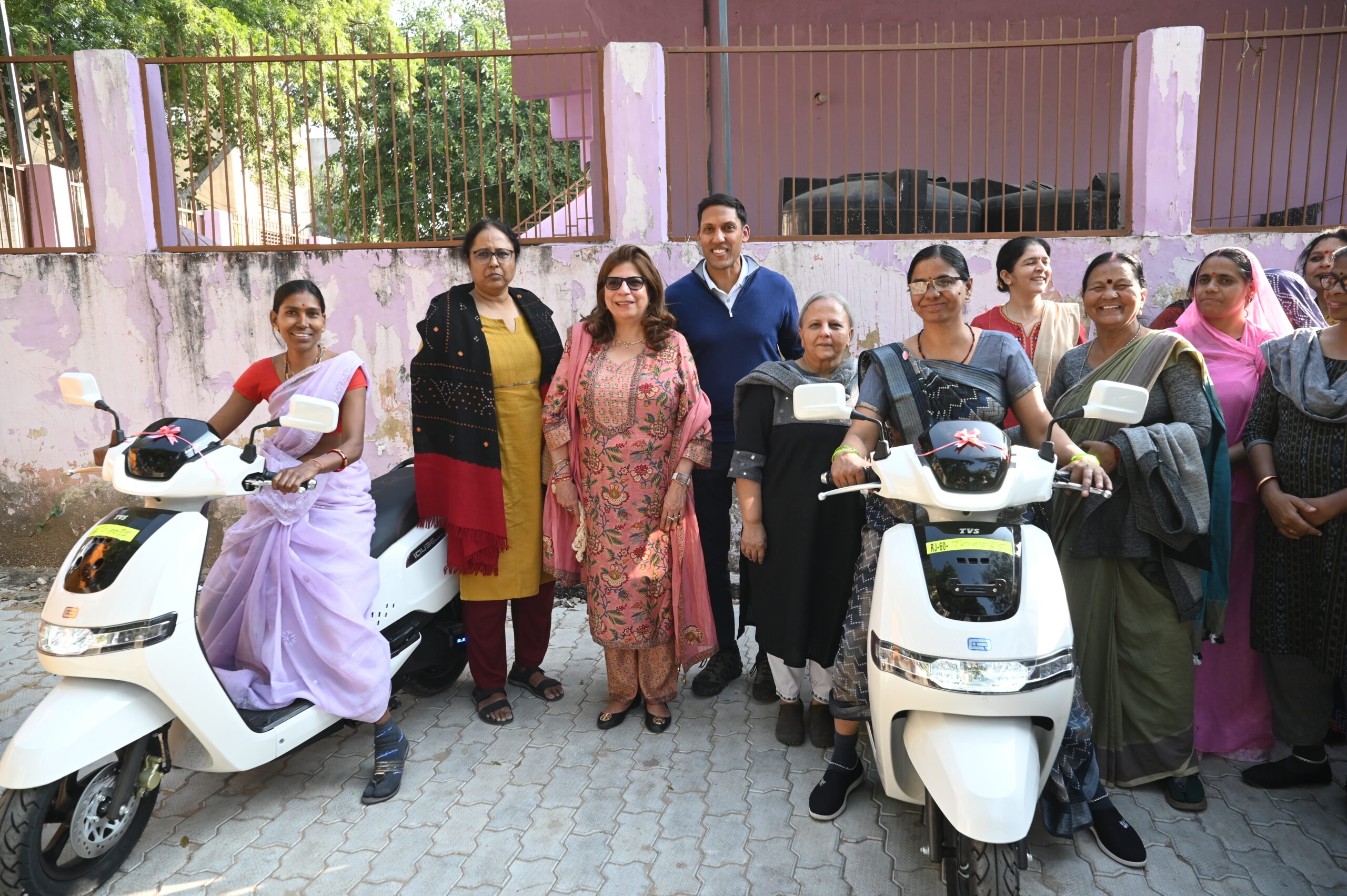
MS. DEEPALI KHANNA: The focus of a strong partnership is always to pool expertise and resources in a way that solves a real problem for people. In Rajasthan, India, for instance, the Global Energy Alliance worked with state officials to support solar deployment through digital tools and on-ground assistance to farmers.
That enabled Nirmal Das Swami, a wheat farmer in Rajasthan, to use part of his land to install a solar park that powered not just his farm but his entire community. With reliable, affordable, and clean energy, his crop yields and income improved, while the surrounding community also benefited from the power supply. At a larger scale, the initiative has helped install 243 solar sites, impacting around 177,000 farmers and reaching 667,000 homes. It has also supported job creation and improved power reliability for farmers.
When partnerships are effective, infrastructure doesn’t remain something with an abstract benefit. The improvement in the lives of thousands of people is tangible and significant, as it opens doors for them to avail other opportunities.
EDITOR: Digital public infrastructure, AI, and data platforms are reshaping how we plan and deliver climate and development interventions. How is The Rockefeller Foundation leveraging digital and data innovations to improve targeting, accountability, and impact in areas like climate resilience, water security, and health in Asia?
MS. DEEPALI KHANNA: Digital tools can help us respond to development challenges with greater precision and speed. The question is whether it strengthens people’s ability to access information and services.
For instance, the South Asia initiative on extreme heat, which The Rockefeller Foundation supports with the World Health Organization–World Meteorological Organization Climate and Health Joint Program and Wellcome, is designed to develop decision-support tools, such as early warnings and heat-risk assessments. These tools can help governments and health systems identify vulnerable populations, plan responses earlier, and reduce avoidable illness and deaths from extreme heat.
Asia has enormous potential to ensure that communities benefit from digital, AI, and data platforms. The opportunities go beyond early warning systems, including services to strengthen climate and health surveillance, supporting farmers with real-time advice, and helping governments and partners target interventions more effectively.
EDITOR: Water sits at the heart of climate, energy, food, health, and livelihoods. How is The Rockefeller Foundation approaching the water–climate–development nexus in Asia, and what kinds of partnerships or models do you see as most promising for scaling resilient water systems?
MS. DEEPALI KHANNA: Whether due to changing rainfall, floods, groundwater depletion, or droughts, disruptions to water availability immediately become apparent in public health, food, livelihoods and local economies. So we cannot approach water as a standalone issue. We have to see it as central to climate resilience and human development.
For us, the focus is on helping build systems that are prepared for these interconnected risks. Some of the mechanisms include strengthening local institutions, improving the use of climate and weather data, supporting early warning and risk assessment systems, and ensuring that finance reaches the communities and cities that need it most.
A good example is The Rockefeller Foundation’s support for AVPN’s Asia Partnership for Investment in Resilient Economies (ASPIRE). The initiative is designed to strengthen development finance in Asia by scaling Asian-led financing solutions and connecting capital to community-driven efforts that improve lives and livelihoods. It brings together government, philanthropy, development finance, and private sector leaders to shape inclusive and sustainable finance pathways that center on Asia’s priorities.
The larger point is that resilience cannot be built after a crisis has already arrived. We need to invest earlier, plan better, and design water, health, food, and energy systems together. That is how communities move from coping with climate shocks to being better prepared for them.
EDITOR: What is your vision of “Asia’s moment” in global climate and development governance? If you were to leave our readers with one call to action, especially policymakers, practitioners, and young professionals in the climate space, what would it be?
MS. DEEPALI KHANNA: My view is that global climate and development governance must learn from Asia’s leadership in climate action being people-driven. That “moment” will come from people and institutions that understand local contexts, but can also build models that others can learn from and adapt. To support this, it’s important for practitioners and young professionals to stay close to communities and understand that innovation must always be grounded in reality and how diverse people experience it, while it’s up to policymakers to give them room for implementing those solutions.