Dr. Arvind Kumar*

The Earth is no longer whispering warnings it is sounding alarms. The last eleven years (2015–2025) have been the warmest ever recorded, with 2025 emerging as one of the three hottest years in history and global temperatures averaging around 1.44°C above pre-industrial levels. Simultaneously, the oceans which absorb nearly 90% of the excess heat generated by global warming have reached record-breaking heat content, fuelling marine heatwaves, coral bleaching, rising sea levels and increasingly erratic weather systems. Forests continue to shrink under the pressures of land-use change and wildfires, while biodiversity is declining at an unprecedented pace, with around one million species globally now threatened with extinction. Wetlands, the world’s natural kidneys, have already lost nearly 35% of their global extent since 1970, reducing the planet’s ability to store freshwater, buffer floods and sustain biodiversity. Together, these trends reveal a sobering reality: humanity is not merely confronting isolated environmental crises but the gradual erosion of the Earth’s life-support systems. It is against this backdrop that conservation has evolved from an environmental concern into a developmental imperative, making every conservation day far more than a ceremonial observance it is a reminder of what remains at stake.
Every year the calendar is punctuated by reminders like World Nature Conservation Day, International Tiger Day, World Wetlands Day, and countless other observances. We ask: if nature truly underpins our existence, why must we set aside special days to remind ourselves? Indeed, UN Secretary-General António Guterres has warned that “humanity is waging war on nature. And we need to rebuild our relationship with it”. These commemorations exist because we forget our “primary pillars” – water, biodiversity and ecosystems – in the rush of daily life. They are like periodic check-ups for Earth’s health: one day a year we pause to notice the life support systems that normally operate in the background.
But pauses can become excuses. Why mark these days at all, if nature is the very foundation of our survival? The answer is urgency! Environmental degradation is no longer a distant threat, it is unfolding in real time, placing unprecedented pressure on the ecosystems that sustain our water, food, climate and livelihoods. As Prime Minister Narendra Modi recently observed, “The welfare of humanity lies in the protection and respect of nature,” adding that “living in harmony with nature has always been the foundation of India’s timeless traditions.”
India’s conservation narrative over the past decade has undergone a profound transition from species-centric protection to landscape-scale ecological governance. The emphasis is no longer confined to increasing forest cover, but on restoring entire ecosystems through integrated initiatives such as the Green India Mission, CAMPA, Mangrove Initiative for Shoreline Habitats and Tangible Incomes (MISHTI), the Aravalli Green Wall Project, Ek Ped Maa Ke Naam, National Green Highways Mission, Green Credit Programme, Mission LiFE, and the International Big Cat Alliance (IBCA). Together, these initiatives recognise that climate resilience, biodiversity conservation, water security and economic development cannot be pursued in isolation but must reinforce one another through a common ecological framework.
The Ecology of Development
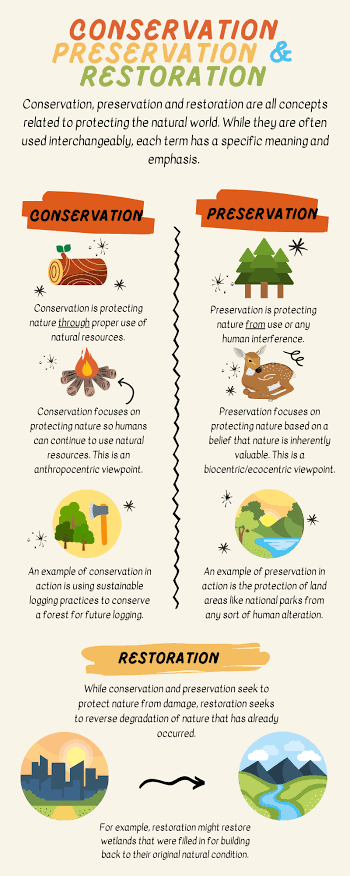
In India, groundwater often unseen forms the invisible foundation of this ecological architecture, meeting 62% of irrigation needs, 85% of rural drinking water demand and 50% of urban water requirements. Recognising that water security cannot be achieved in isolation, the past decade has witnessed a decisive shift from resource extraction to ecosystem stewardship through initiatives such as Jal Shakti Abhiyan: Catch the Rain, Atal Bhujal Yojana, Jal Sanchay Jan Bhagidari, Mission Amrit Sarovar, the operationalisation of 712 Jal Shakti Kendras, and the creation of nearly 3.96 million artificial groundwater recharge structures by January 2026. Yet India’s water story extends far beyond aquifers. Groundwater sustains wetlands, forests regulate catchments, rivers nourish agriculture, and wetlands. Reflecting this ecosystem approach, India expanded its Ramsar network to 100 sites, complemented by strengthened wetland management guidelines. This interconnected philosophy also underpins in my book, Ecosystem-Based Adaptation, which argues that climate adaptation is most effective when rivers, wetlands, forests and communities are managed as one integrated living system rather than fragmented sectors. India’s progress demonstrates that conservation is no longer about protecting individual resources it is about restoring ecological connectivity.
If groundwater is India’s invisible infrastructure, forests are its living infrastructure. They are not simply repositories of trees, nor are tigers merely symbols of conservation. Forests manufacture rainfall, regulate river flows, stabilise mountain slopes, replenish groundwater, moderate temperatures, store carbon and sustain millions of livelihoods. Biodiversity powers pollination, soil fertility, nutrient cycling and food security. Conservation, therefore, is no longer about protecting wildlife—it is about safeguarding India’s ecological economy.
The outcomes of this integrated approach are increasingly measurable. According to the India State of Forest Report (ISFR) 2023, India’s combined forest and tree cover has reached 8.27 lakh sq. km. (25.17% of the geographical area), with forest cover alone standing at 7,15,343 sq. km. (21.76%). India now ranks 9th globally in total forest area and 3rd in net annual forest area gains, reflecting sustained investments through initiatives such as the Green India Mission, CAMPA, MISHTI, Ek Ped Maa Ke Naam, the Green Credit Programme and large-scale afforestation efforts. Simultaneously, the country’s protected area network has expanded significantly, strengthening ecological security for thousands of species. Yet these numbers represent far more than trees they signify healthier watersheds, stronger carbon sinks, improved groundwater recharge and ecosystems that quietly sustain agriculture, livelihoods and climate resilience. As one of the world’s 17 megadiverse countries, India harbours nearly 8% of global biodiversity despite occupying just 2.4% of the Earth’s landmass, underscoring nature’s disproportionate contribution to national development.
Challenges
This interconnectedness is perhaps best illustrated through India’s tiger conservation success. The All India Tiger Estimation (2024) recorded 3,682 tigers, making India home to nearly 75% of the world’s wild tiger population. But the real achievement extends beyond increasing tiger numbers. As an umbrella species, the tiger safeguards entire landscapes, protecting forests, rivers, wetlands, grasslands, carbon sinks and thousands of interconnected species that sustain ecological balance. Strengthened through Project Tiger, AI-enabled monitoring, SMART patrolling, corridor restoration and the International Big Cat Alliance, India’s conservation model increasingly recognises that protecting wildlife is ultimately about securing water security, biodiversity, ecosystem services, rural livelihoods and long-term climate resilience.
Nevertheless, India’s conservation journey remains unfinished. Expanding infrastructure, habitat fragmentation, invasive species, illegal mining, pollution, forest fires, groundwater depletion and increasing human-wildlife conflict continue to place immense pressure on ecological systems. More importantly, the quality of ecosystems must receive as much attention as their spatial extent. Increasing tree cover cannot substitute for restoring native forests rich in biodiversity, hydrological functions and ecological connectivity. Future conservation success must therefore be measured not merely in hectares afforested or species counted, but in healthier watersheds, connected wildlife corridors, resilient agricultural landscapes and stronger ecosystem services.
Way Forward
The next decade must consequently shift from conservation of landscapes to governance through transversality. Water policies must converge with biodiversity strategies; agriculture must be integrated with watershed restoration; infrastructure planning must internalise ecosystem services through natural capital accounting, ESG investments, biodiversity credits and payment for ecosystem services. India’s recent conservation achievements demonstrate that environmental stewardship and economic development are not competing priorities, they are mutually reinforcing investments in national resilience. Ultimately, forests, biodiversity and wildlife are not environmental assets to be protected after development; they are the very natural infrastructure upon which India’s water security, food security, climate resilience, public health and sustainable prosperity ultimately depend.
*Editor, Focus Global Reporter