Dr. Arvind Kumar*
Ulaanbaatar, Mongolia | 17–28 August 2026
Theme: “Restoring Land. Restoring Hope.”
Introduction
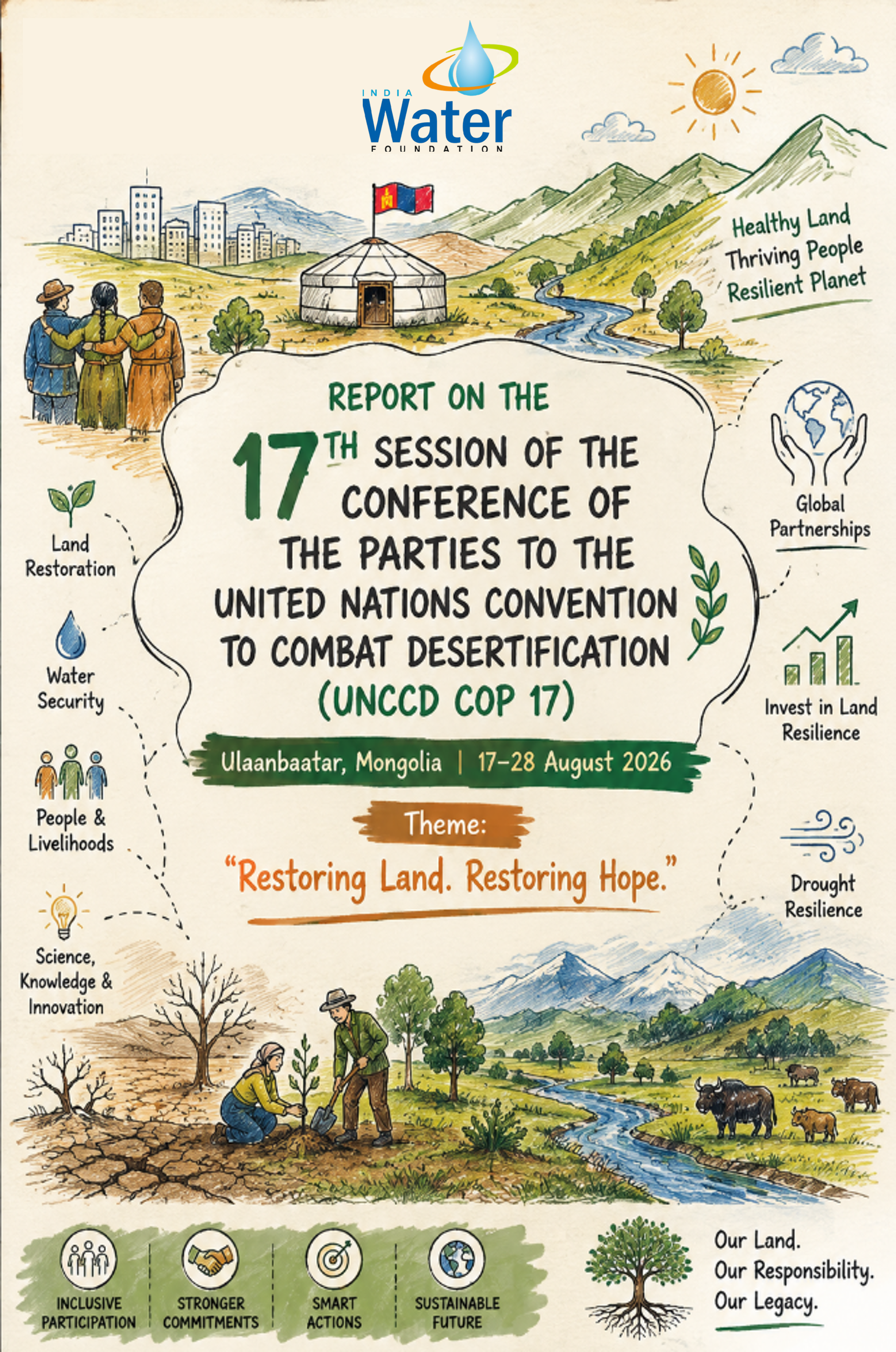
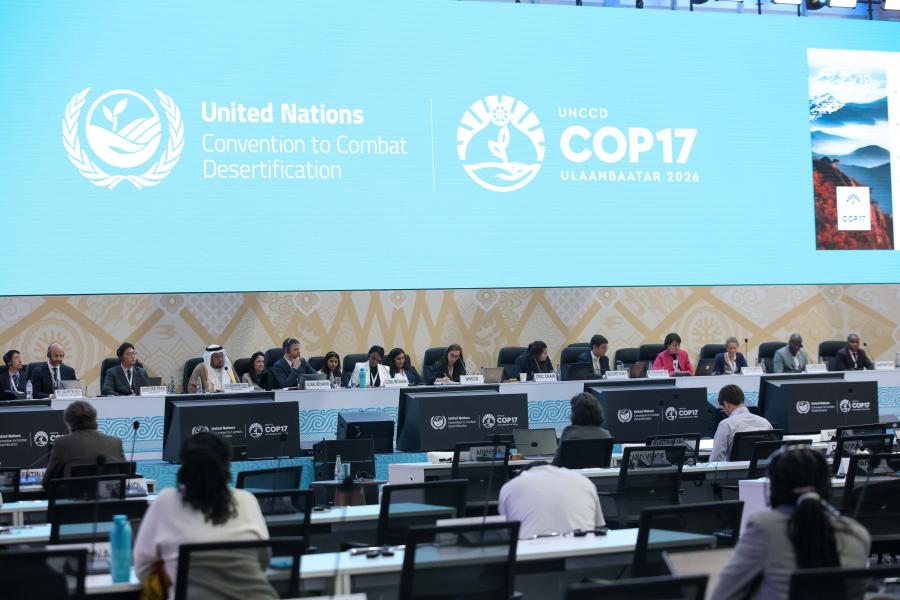
The Seventeenth Session of the Conference of the Parties to the United Nations Convention to Combat Desertification (UNCCD COP 17) was held in Ulaanbaatar, Mongolia, from 17 to 28 August 2026 under the theme “Restoring Land. Restoring Hope.” The session brought together approximately 15,000 participants, including government representatives, international organizations, scientists, civil society, Indigenous Peoples, youth, the private sector and other stakeholders. COP 17 took place at a critical moment when land degradation, desertification and drought are increasingly affecting ecosystems, food and water security, livelihoods and economic development across the world.
The UNCCD COP 17 demonstrated both the growing importance of land restoration in the global sustainability agenda and the political challenges confronting multilateral environmental cooperation. Despite procedural difficulties and disagreements over several agenda items, Parties succeeded in adopting 34 decisions covering a range of substantive and institutional matters. Important outcomes were achieved on rangelands and pastoralists, land tenure, sand and dust storms, resource mobilization, capacity-building, private-sector engagement and the future functioning of the Science-Policy Interface. At the same time, a number of critical issues, including migration, knowledge-sharing and aspects of the global response to drought, remained unresolved and were deferred for further consideration at COP 18.
One of the most important features of COP 17 was the recognition that land degradation and drought can no longer be treated as isolated environmental concerns. Their impacts extend across water resources, agriculture, food systems, biodiversity, livelihoods, public health, migration and economic stability. The discussions therefore increasingly reflected the need for integrated and cross-sectoral approaches capable of connecting land restoration with wider sustainable development priorities.
Drought: From Crisis Response to Proactive Resilience
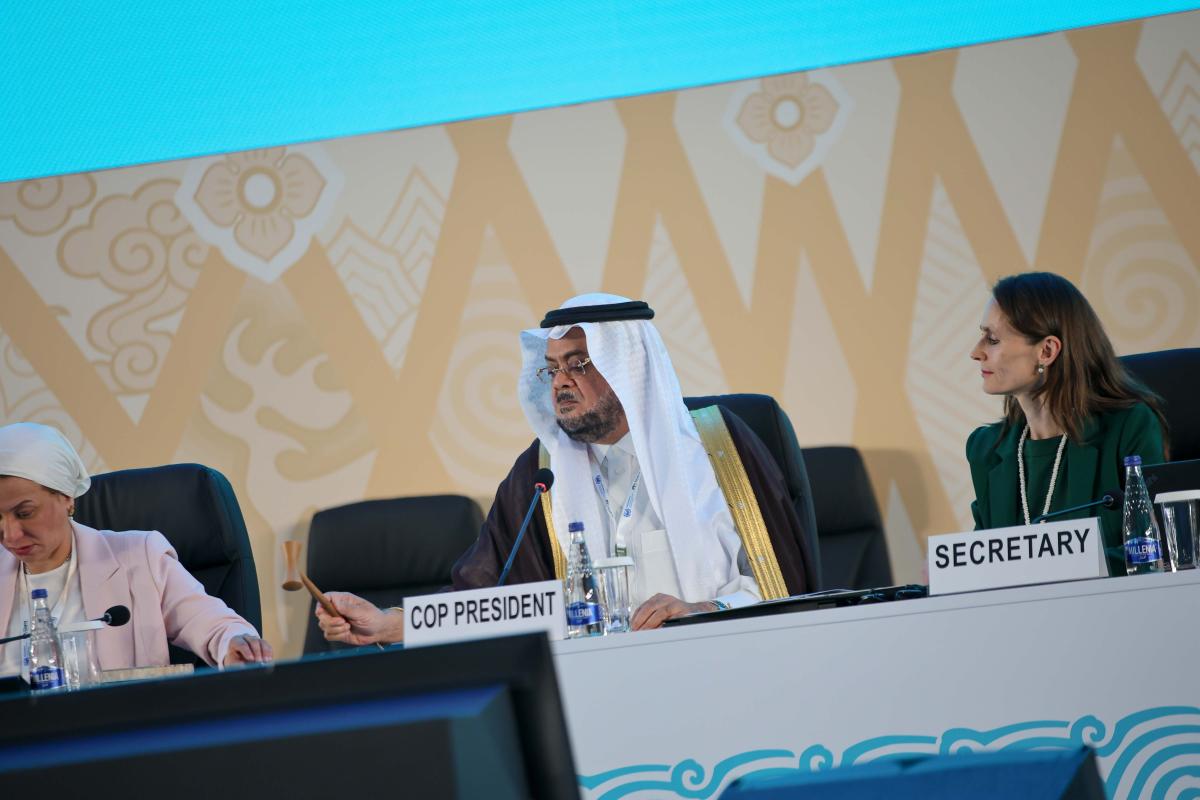
Drought remained one of the most politically significant issues during COP 17. Delegates repeatedly emphasized that drought is no longer an exceptional or temporary phenomenon but is increasingly becoming a structural development challenge for many countries and regions. Its growing frequency and intensity are affecting agricultural production, water availability, ecosystems and livelihoods, particularly in developing countries and vulnerable regions.
There was broad convergence among Parties on the need to move away from reactive drought management towards a more proactive approach based on prediction, monitoring, early warning and early action. Countries also highlighted the importance of integrated land and water management, institutional preparedness, technology transfer and stronger support for communities directly affected by drought.
However, significant differences remained regarding the appropriate international framework for addressing drought. Several developing countries, particularly from Africa, continued to advocate for a stronger and potentially legally binding global instrument or protocol. Other Parties preferred a flexible, country-driven and non-binding approach based on existing mechanisms and tools. As a result, COP 17 was unable to reach consensus on a comprehensive new global framework for drought.
Nevertheless, the issue retained a prominent place in the future work of the Convention. The COP agreed that drought would remain a stand-alone agenda item for future ordinary sessions, while negotiations would continue at COP 18. The outcome therefore preserved political momentum and ensured that the global response to drought remains one of the central priorities of the UNCCD.
Rangelands and Pastoralists: A Major Step Forward
One of the strongest substantive outcomes of COP 17 was the decision concerning rangelands and pastoralists. Rangelands constitute approximately 54 per cent of the world’s land surface and support the livelihoods of nearly 500 million pastoralists. They are therefore critical to food systems, biodiversity, water security, climate resilience and rural economies.
COP 17 elevated the global recognition of rangelands from a largely neglected area of environmental policy towards a more prominent implementation and investment priority. The decision encouraged countries to strengthen policies, legal frameworks and restoration programmes for the sustainable management of rangelands. It also emphasized the importance of pastoralists as ecosystem stewards and recognized the value of their accumulated knowledge and experience in managing fragile landscapes.
The outcome promotes stronger scientific research, monitoring and data collection while also encouraging greater recognition of local and traditional knowledge. It seeks to improve land and resource tenure security, strengthen the participation of women and youth, and support investment in rangeland restoration and drought resilience. The decision also supports the development of project pipelines capable of attracting financing for sustainable pastoralism, food security and ecosystem restoration.
The recognition of the Coalition of Rangeland States and the Rangelands Flagship Initiative as important implementation mechanisms further strengthened this agenda. COP 17 therefore marked an important shift towards treating rangelands as a strategic global asset requiring sustained investment and policy attention.
Land Tenure and Inclusive Land Governance
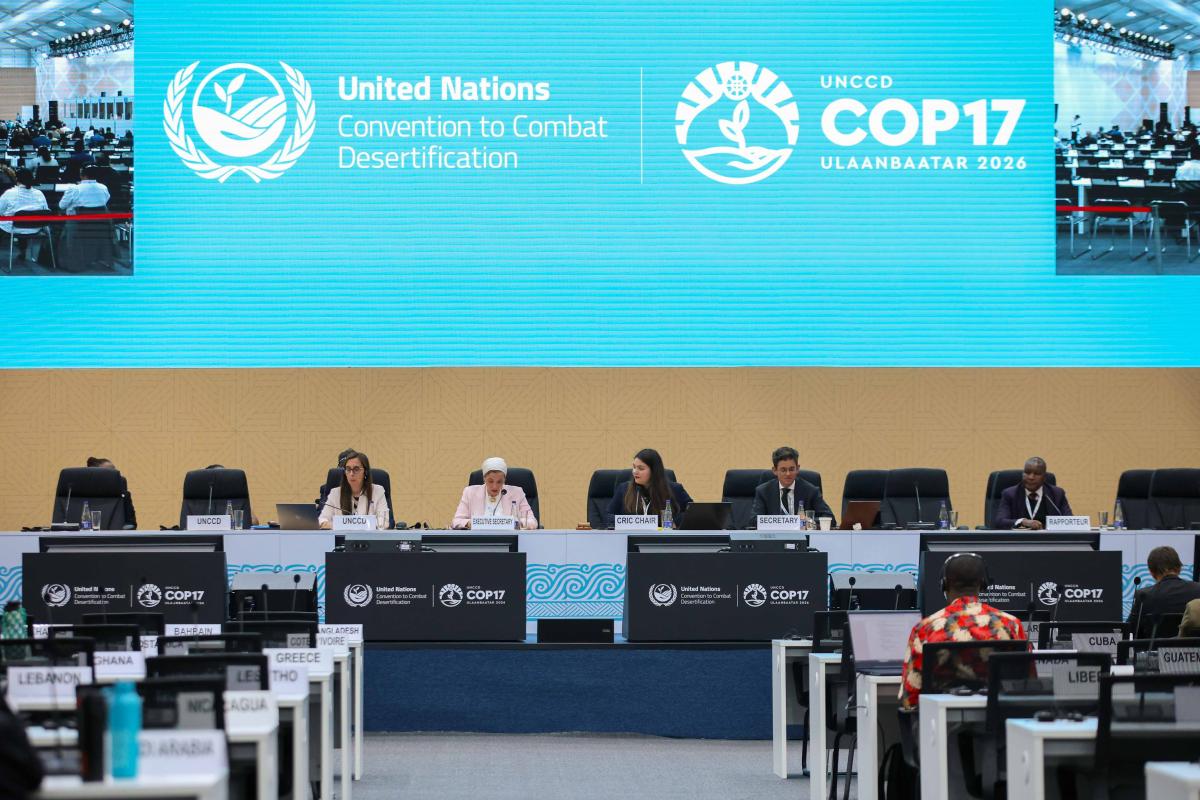
Land tenure emerged as another important area of progress. COP 17 recognized that secure and inclusive access to land is fundamental to sustainable land management, restoration and long-term resilience. Communities and land users are unlikely to invest in restoring degraded landscapes when their rights and access remain insecure or uncertain.
The COP encouraged Parties to integrate land tenure considerations into national plans and programmes addressing desertification, land degradation and drought. The decision emphasized responsible and inclusive land governance and encouraged improvements in land administration systems, data and institutional capacity.
Particular importance was given to participatory approaches and to the needs of communities and vulnerable populations whose livelihoods depend directly on land resources. The Secretariat was encouraged to continue cooperation with the Food and Agriculture Organization and other partners to support countries in integrating land tenure considerations into UNCCD implementation and Land Degradation Neutrality initiatives.
The land tenure decision represents a recognition that land restoration is not simply a technical or ecological exercise. It is also closely linked to governance, equity, livelihoods and the rights of communities. Secure tenure can provide the confidence required for farmers, pastoralists and local communities to invest in sustainable land management and long-term restoration.
Sand and Dust Storms and Transboundary Cooperation
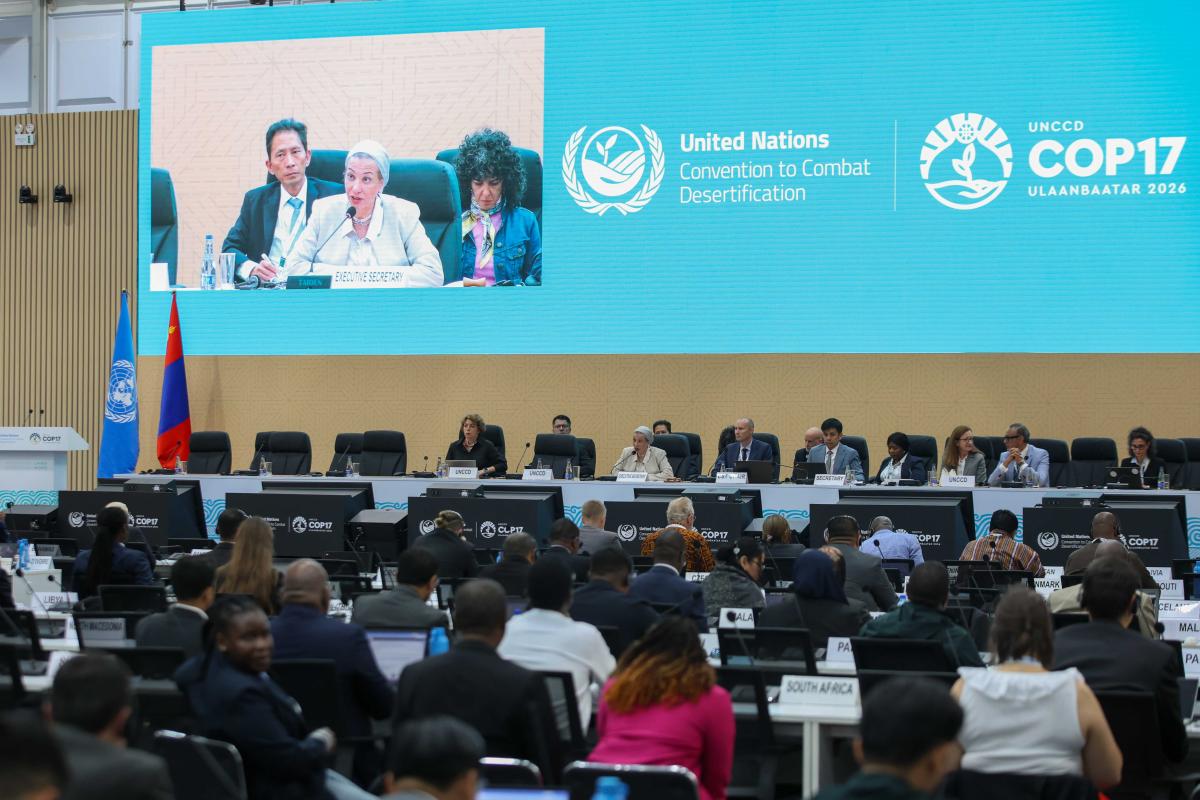
COP 17 also adopted an important decision on sand and dust storms, recognizing their increasing environmental, social and economic impacts. Sand and dust storms are transboundary phenomena that affect air quality, agriculture, infrastructure, human health and ecosystems across large geographical areas.
The decision emphasizes the need for integrated land management and improved understanding of source areas and the underlying causes of sand and dust storms. It also calls for stronger monitoring, forecasting and early warning systems, along with greater regional and international cooperation.
The COP continued support for the development of the Global Implementation Initiative for Sand and Dust Storms and the improvement of the SDS Toolbox. These efforts are intended to strengthen technical capacity, information-sharing and coordinated responses among affected countries.
COP 17 also reinforced the importance of the UN Decade on Combating Sand and Dust Storms, covering the period from 2025 to 2034. The outcome reflects a growing understanding that land degradation, poor land management and transboundary environmental risks require coordinated responses that extend beyond national boundaries.
Implementation, Land Degradation Neutrality and Capacity-Building
The review of implementation demonstrated that considerable progress has been made under the UNCCD, although substantial challenges remain. A total of 116 countries have completed Land Degradation Neutrality targets, and projects supporting implementation have mobilized approximately USD 1.48 billion.

While these developments reflect increasing political commitment, many countries emphasized the need to move beyond planning and reporting towards measurable implementation on the ground. Stronger national institutions, coordination mechanisms, monitoring systems and technical capacities will be essential if Land Degradation Neutrality targets are to translate into real improvements in landscapes and livelihoods.
Capacity-building was therefore identified as a critical enabling condition for implementation. COP 17 emphasized that capacity-building should be demand-driven, aligned with national priorities and supported through predictable technical and financial assistance. The needs of women, youth, farmers, pastoralists and local communities were also highlighted.
The Secretariat and Global Mechanism were requested to continue providing demand-driven support and to prepare the basis for a future capacity-building strategy. COP 17 also recognized the importance of regional cooperation, South-South and triangular cooperation, regional hubs and centres of excellence.
Digital technologies, remote sensing and artificial intelligence received increasing attention during the discussions. These tools have significant potential to improve monitoring, data analysis and early warning. At the same time, several countries cautioned that technological advancement should not deepen existing inequalities or widen the digital divide. The use of technology must therefore remain responsible, equitable and adapted to national and local realities.
Strengthening Science and the Science-Policy Interface
Science was another important pillar of COP 17. The session emphasized the need to strengthen the Science-Policy Interface so that scientific knowledge and evidence can be translated more effectively into policy and implementation.
The SPI is expected to play an increasingly important role in improving evidence-based decision-making under the Convention. Discussions highlighted the need for stronger monitoring systems, improved reporting, remote sensing, Earth observation and accessible knowledge platforms.
At the same time, countries stressed that scientific knowledge must be combined with Indigenous, local and traditional knowledge. Effective restoration strategies cannot be based exclusively on global datasets or technological solutions. They must also reflect the realities and experience of communities managing land on a daily basis.
Although broader negotiations on knowledge-sharing did not reach a final substantive decision and were deferred to COP 18, the decisions concerning the SPI strengthened the institutional basis for science-informed policymaking and implementation.
Finance and Resource Mobilization
The issue of finance remained one of the strongest concerns throughout COP 17. Parties repeatedly emphasized that the ambition to restore land and strengthen drought resilience cannot be achieved without adequate, predictable and accessible financial resources.
The Global Mechanism reported that demand for investment is increasing faster than the availability of resources. This has created a significant gap between political commitments and the capacity of countries to implement restoration programmes at the scale required.
COP 17 therefore emphasized the importance of stronger national financial needs assessments, investment strategies and project pipelines. The discussions also explored innovative approaches, including blended finance, sustainability-linked financial instruments and greater engagement with development finance institutions and the private sector.
The Global Mechanism was requested to continue expanding the Land Degradation Neutrality Target Setting Programme 2.0, develop a time-bound strategy for resource mobilization, update the UNCCD financial needs assessment and develop a financing toolbox capable of supporting countries in accessing and mobilizing resources.
The COP also noted the 27 per cent decrease in pledges for the ninth replenishment cycle of the Global Environment Facility and encouraged additional contributions. Countries emphasized that access to international finance must be simplified and should remain responsive to national circumstances.
Private-sector participation was also promoted through the Business4Land Initiative and other mechanisms designed to create enabling conditions for investment in land restoration. However, developing countries strongly emphasized that private finance should complement rather than substitute public finance, particularly where restoration activities involve high-risk environments and vulnerable communities.
India’s Participation and Leadership at UNCCD COP 17
India played a prominent role at UNCCD COP 17, with Union Minister for Environment, Forest and Climate Change Shri Bhupender Yadav representing the country at the high-level segment and participating in key ministerial discussions. India also spoke on behalf of the Asia-Pacific Group during the opening proceedings of the Conference, underlining its wider regional role in the negotiations. In his interventions, Shri Yadav projected land restoration as an established national priority for India and emphasized that restoration is closely integrated with sustainable land management, biodiversity conservation, climate action and rural development. Highlighting India’s achievements, he noted that the country had restored 21.76 million hectares of land during 2011–2020, generating approximately 1.22 billion person-days of employment, thereby demonstrating how ecological restoration can simultaneously advance livelihoods and development. India thus used COP 17 not merely to present its domestic achievements, but also to position its experience as a model demonstrating the potential of landscape-scale and community-oriented restoration.
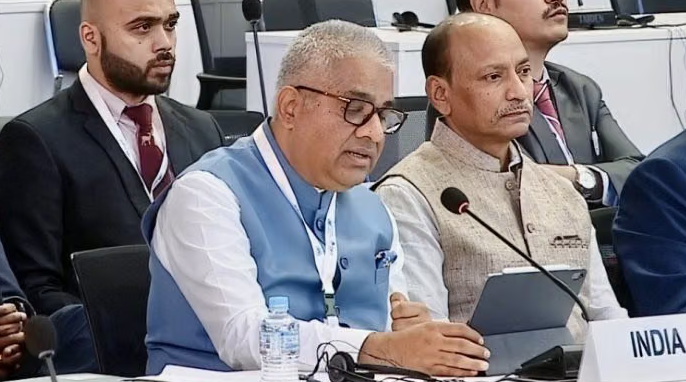
India’s ministerial interventions were particularly significant in shaping discussions on drought resilience and rangeland restoration. At the Ministerial Dialogue on Accelerating Drought Resilience, Shri Bhupender Yadav called for a fundamental shift from reactive drought relief towards proactive, technology-enabled resilience, stressing that drought should be treated as a predictable and preventable risk rather than a recurring disaster. He advocated a development approach centred on preparedness over response, prevention over crisis management and resilience over recovery. India also participated in the Ministerial Dialogue on the restoration of rangelands and the well-being of pastoralist communities, where it emphasized that successful restoration must place pastoralists and local communities at the centre as custodians rather than merely beneficiaries. Presenting India’s experience of combining scientific planning, landscape management, livelihood support and community participation, the Minister highlighted the importance of secure tenure, ecological knowledge and local stewardship. Through these interventions, India emerged at COP 17 as a strong advocate of an integrated, people-centred approach linking land restoration with water security, livelihoods, biodiversity conservation and climate resilience.
Participation and People-Centred Restoration
COP 17 demonstrated the increasing importance of inclusive participation in the UNCCD process. The session saw the first gatherings of the Indigenous Peoples and Local Communities caucuses established at COP 16. Along with youth and gender constituencies, these groups brought greater attention to community knowledge, land rights, equity and intergenerational responsibility.
The discussions reinforced the principle that local communities, Indigenous Peoples, women and youth should not be viewed merely as beneficiaries of restoration programmes. They must instead be recognized as active partners, decision-makers and holders of valuable knowledge.
Although formal discussions on civil society participation and gender faced procedural obstacles, COP 17 maintained opportunities for stakeholder engagement and ensured that these matters would remain relevant to future discussions. COP 18 is expected to provide further opportunities for interactive dialogue among governments, civil society, business, scientists and parliamentarians.
Key Takeaways
1. Rangelands moved to the centre of the global land agenda: COP17 placed rangelands and pastoralist communities prominently in global land policy, recognising that rangelands cover 54% of the Earth’s land surface, support around 2 billion people and are stewarded by roughly 500 million pastoralists.
2. US$1.2 billion Rangelands Flagship Initiative launched: The initiative brings together US$1.2 billion across 45 projects, representing the largest mobilisation for rangelands in UNCCD history and linking restoration with pastoralist livelihoods and resilience.
3. Drought finance received a major boost: UNCCD and Luxembourg launched the Drought Resilience Investment Facility (DRIF), designed to mobilise up to US$400 million in public and private capital for drought resilience, including water security, sustainable agriculture, nature-based solutions and land restoration.
4. US$1.3 billion portfolio for land restoration and drought resilience: Governments, development banks, funds and companies announced a US$1.3 billion portfolio across 23 countries, signalling a stronger shift from commitments towards investment-ready implementation.
5. Drought resilience became more measurable and investment-oriented: COP17 introduced the Drought Resilience Index, through Phase II of the International Drought Resilience Observatory, providing countries with a tool to assess their capacity to anticipate, prepare for and adapt to drought and better target policies and investments.
6. The Riyadh Global Drought Resilience Partnership moved towards implementation: Building on COP16, work advanced on a proposed pooled financing mechanism intended to support around 70 vulnerable and lower-income countries through capacity building, investment-ready programmes and drought-resilience finance.
7. Local governments gained greater prominence: Around 30 mayors, governors and regional leaders adopted the Ulaanbaatar Declaration, calling for stronger local action on sustainable land management and drought resilience and a more permanent role for cities and regions within the UNCCD process.
8. Post-2030 direction of UNCCD remains a major workstream: COP17 considered the final report of the Intergovernmental Working Group on the Future Strategic Framework, signalling that the Convention is preparing its longer-term direction beyond the current 2018–2030 framework.
9. Science, data and implementation were brought closer together: COP17 emphasised better reporting, scientific assessment, indicators and decision-support tools, reflecting a broader move towards evidence-based land and drought governance rather than broad political commitments alone.
10. A stronger people-centred approach emerged: Youth, Indigenous Peoples, local communities, civil society, women and pastoralists received dedicated platforms and declarations, reinforcing the principle that land restoration must be linked to livelihoods, tenure, inclusion and local stewardship, not treated only as an ecological objective.
Future Strategic Framework and the Road Ahead
COP 17 extended the work of the Intergovernmental Working Group on the Future Strategic Framework for the 2026–2028 biennium. The Working Group will continue developing proposals for the post-2030 direction of the Convention, with an interim report expected for consultation at CRIC 25 and a final proposal to be considered at COP 18.
The future framework will be important in determining how the UNCCD responds to emerging global challenges through a more integrated, systemic and sustainability-oriented approach. It presents an opportunity to move beyond sector-specific responses and recognize the transversality of land degradation with water security, food systems, biodiversity, climate resilience, livelihoods, health and sustainable development. A stronger nexus-based approach can help address these interconnected challenges by promoting policy coherence and coordinated action across sectors and institutions. The framework is therefore expected to strengthen implementation, monitoring, science-policy linkages, finance, institutional capacity and national ownership, while encouraging integrated solutions that deliver multiple environmental, social and economic benefits.
CRIC 25 will take place in Belgrade, Serbia, in 2027, while COP 18 will be hosted by Egypt in 2028. These meetings will be particularly important in addressing the unfinished agenda of COP 17, including drought, migration, knowledge-sharing, gender and civil society participation, while also shaping the post-2030 Strategic Framework. The process offers an important opportunity to embed sustainability, nexus thinking and transversality more systematically within the future direction of the Convention, ensuring that land restoration is pursued not as an isolated environmental objective but as a central component of an integrated and resilient development pathway.
*Editor, Focus Gloabal Reporter